August 19, 2025
Aircraft Decommissioning and Engine Value
When an airplane reaches the end of its operational life, typically due to age, economic inefficiency, or a decline in demand for a specific model,...
Learn More
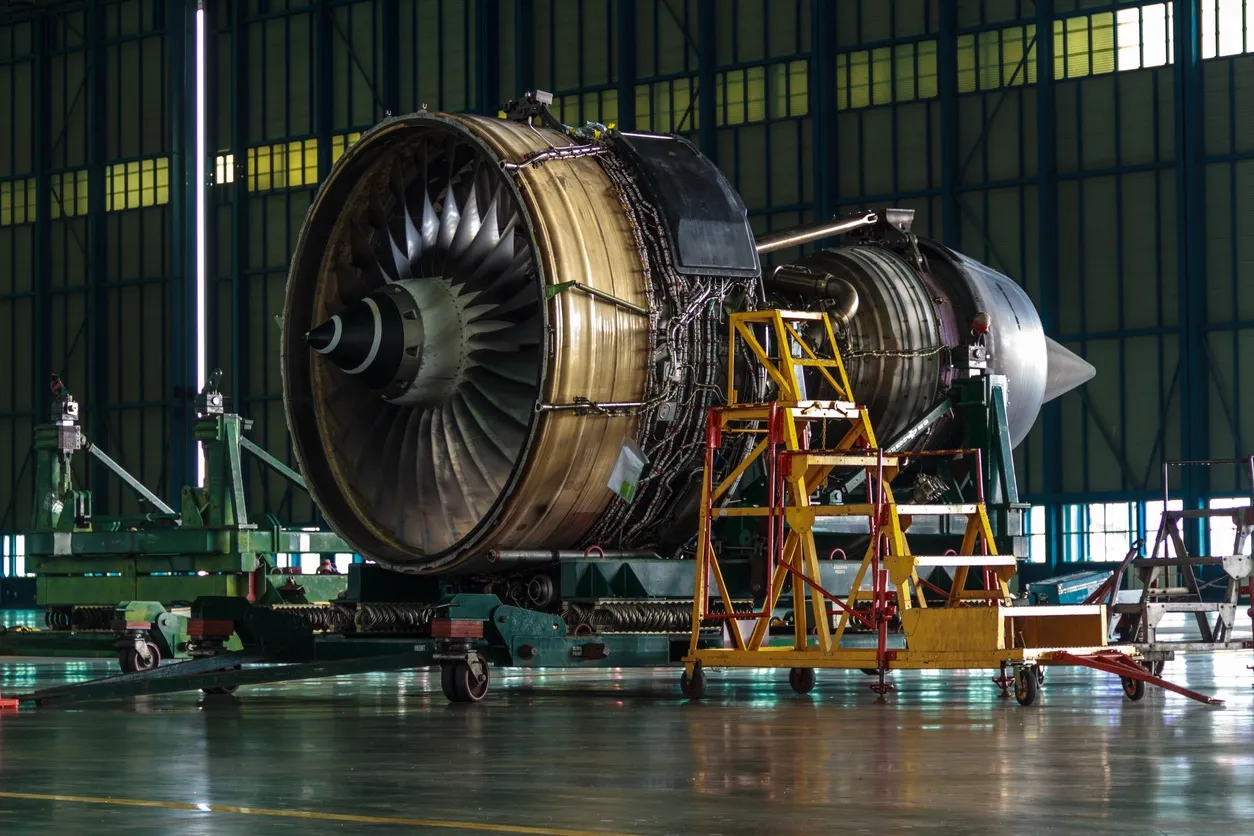
When an airplane reaches the end of its operational life, typically due to age, economic inefficiency, or a decline in demand for a specific model,...
Learn More
Multilayer Ceramic Capacitors (MLCCs) are ubiquitous, indispensable components in modern electronics. From the smartphones in our pockets and the computers on our desks to critical...
Learn More
China’s dominance is not solely due to its mineral reserves but also its extensive and long-standing investment in processing capacity. The by-product nature of these...
Learn More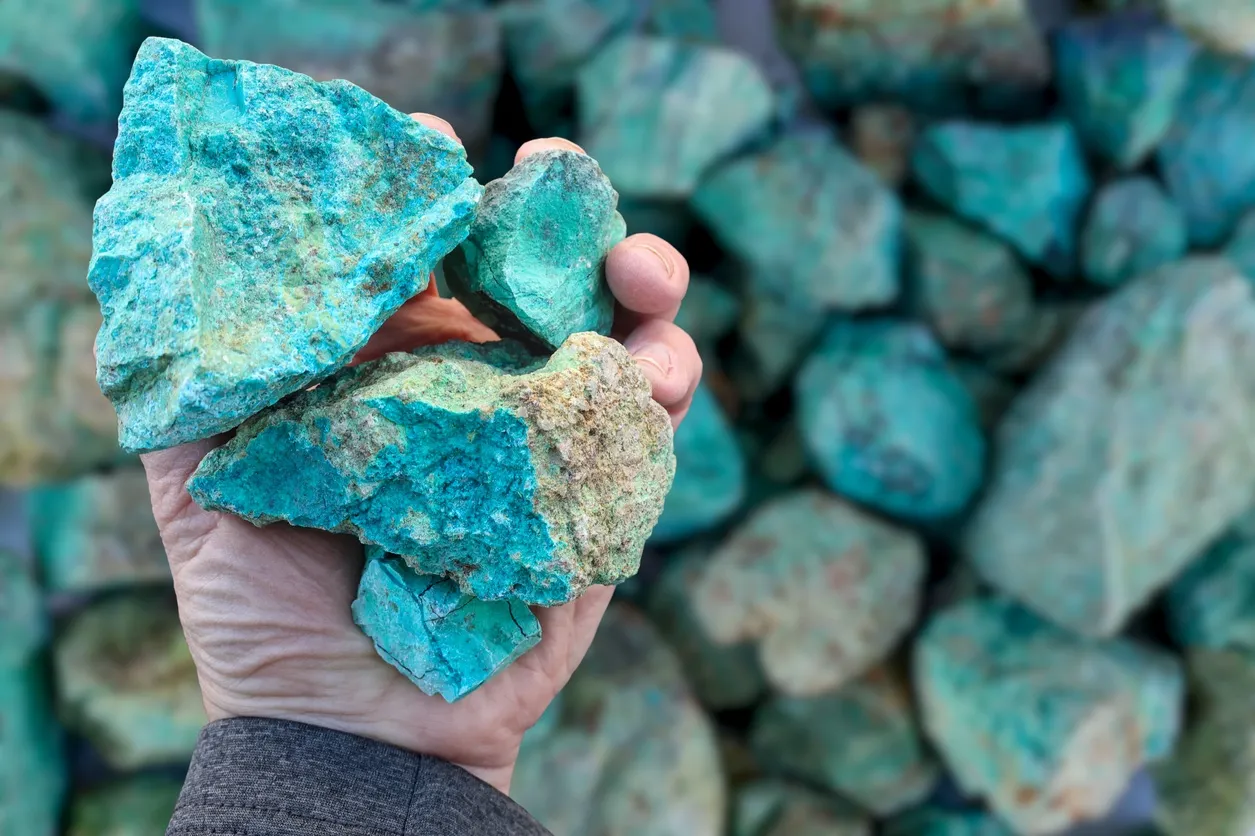
China has long held a commanding position in the global rare earth market. While its precise share of global rare earth reserves is debated, ranging...
Learn More
In early June 2025, Chinese authorities granted special export licenses to rare-earth suppliers linked to the top three US automakers (GM, Ford, Stellantis). Reports say...
Learn More
Why Gallium Recovery Is the Strategic Advantage Manufacturers Can't Afford to Ignore In today's high-stakes manufacturing environment, operational efficiency and cost control have shifted from...
Learn More
The global energy landscape is undergoing a profound transformation, driven by an urgent imperative to decarbonize and mitigate climate change. At the forefront of this...
Learn More
Indium is a finite and limited resource, with known global reserves that are not inexhaustible. Precise quantitative estimates of these reserves are not consistently available....
Learn More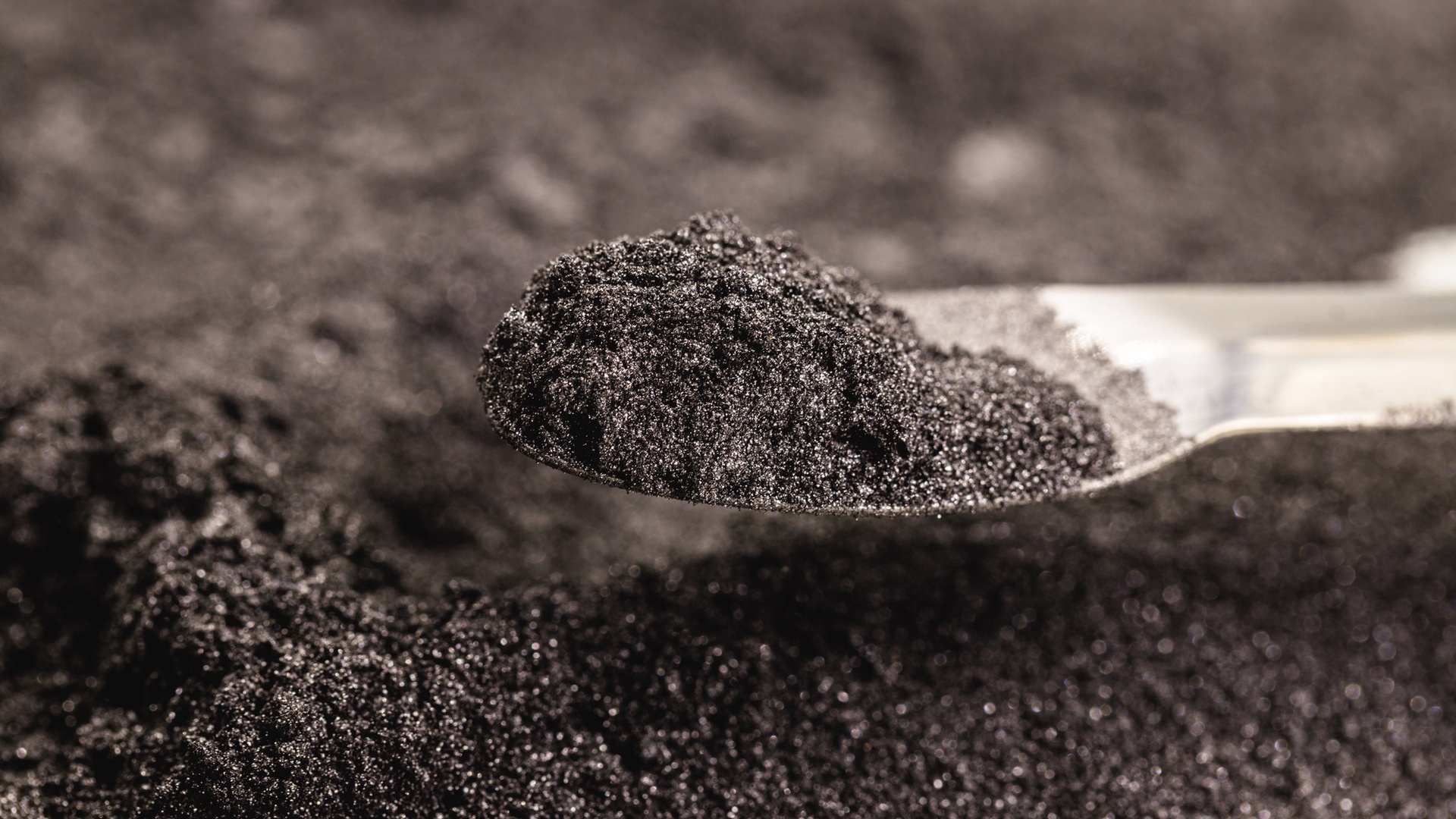
Tungsten prices have exploded into the headlines: for example, European ammonium paratungstate (APT), a key tungsten compound, is up roughly 30 35% year-to-date. Mainstream reports...
Learn More
Titanium is known for its exceptional strength-to-weight ratio, corrosion resistance, and high-temperature stability, making it crucial in demanding industrial applications. Since gaining prominence during the...
Learn More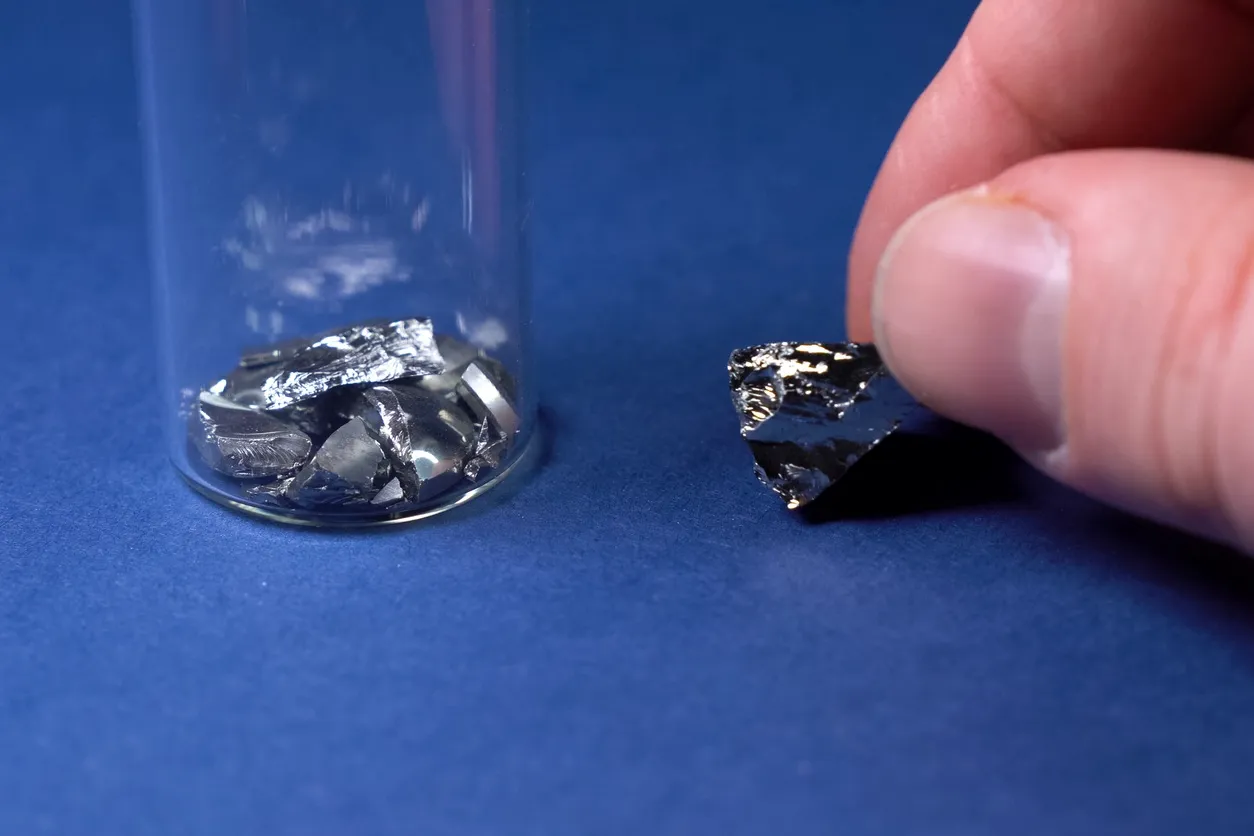
Osmium is the world's rarest metal, with an average abundance in Earth's crust estimated at 0.001 parts per million (ppm) or even 50 parts per...
Learn More
The market for osmium, the world's rarest precious metal, is best understood as a one-way journey through three distinct, value-adding phases. From its extraction as...
Learn More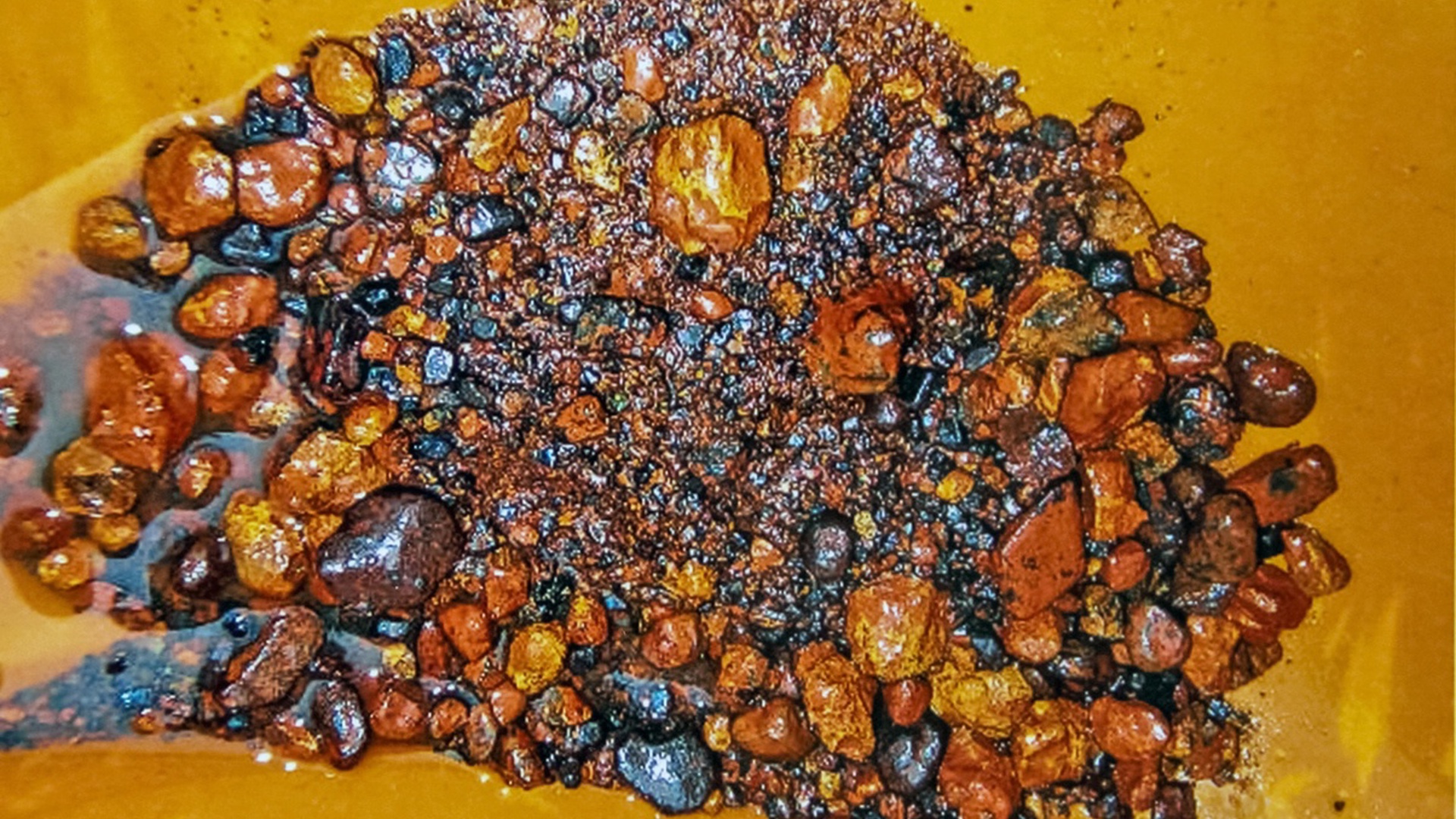
The modern world relies heavily on technological advancement, yet the minerals fueling these innovations are often linked to severe human suffering. This paradox highlights how...
Learn More
Rhenium's unique attributes are vital across high-stakes industries. The aerospace sector consumes over 80% of the global rhenium supply, primarily in nickel-based superalloys (3- 6%...
Learn More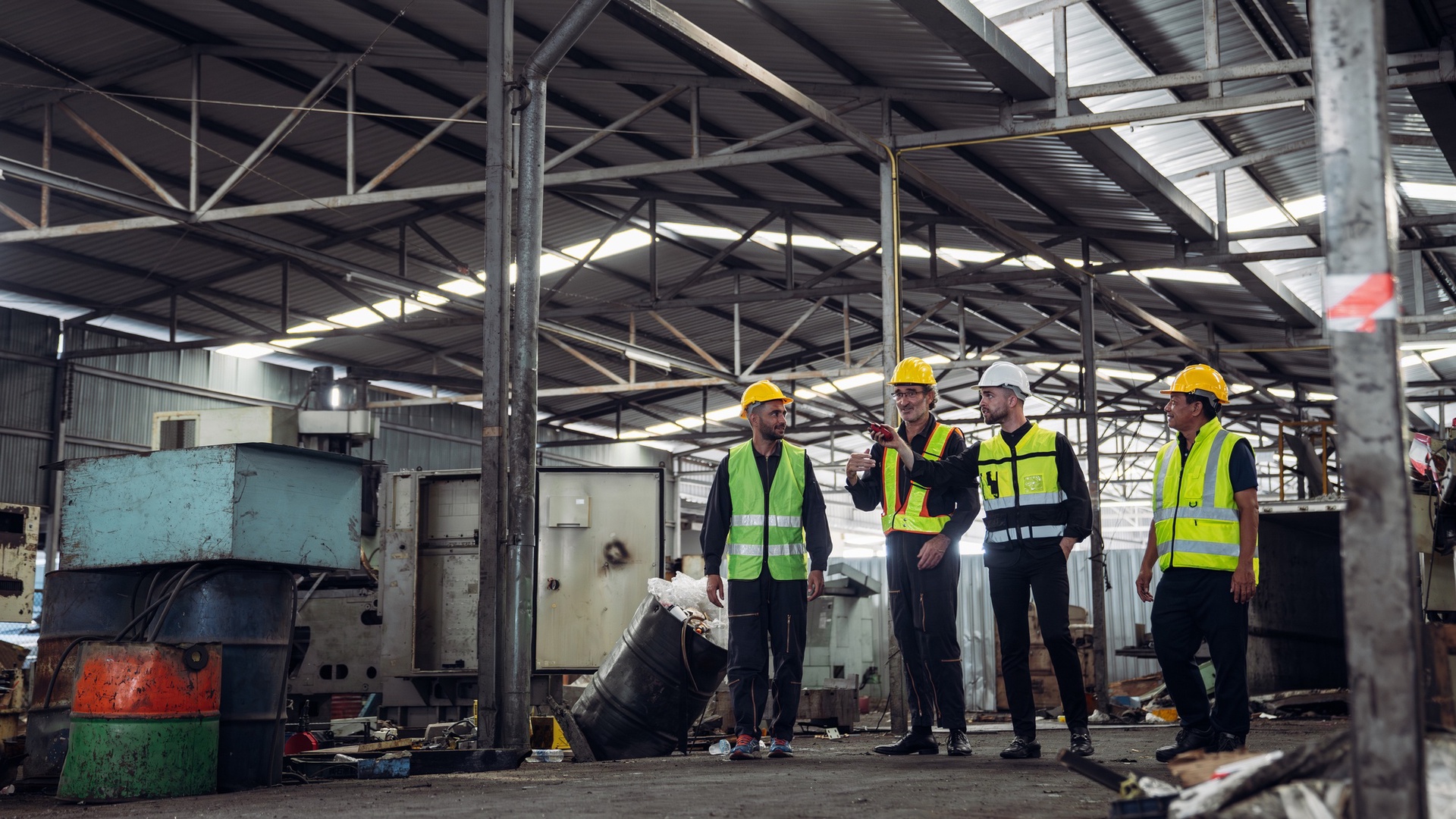
The Belt and Road Initiative (BRI), launched by Chinese President Xi Jinping in 2013, is China's ambitious international cooperation and economic strategy to enhance regional...
Learn More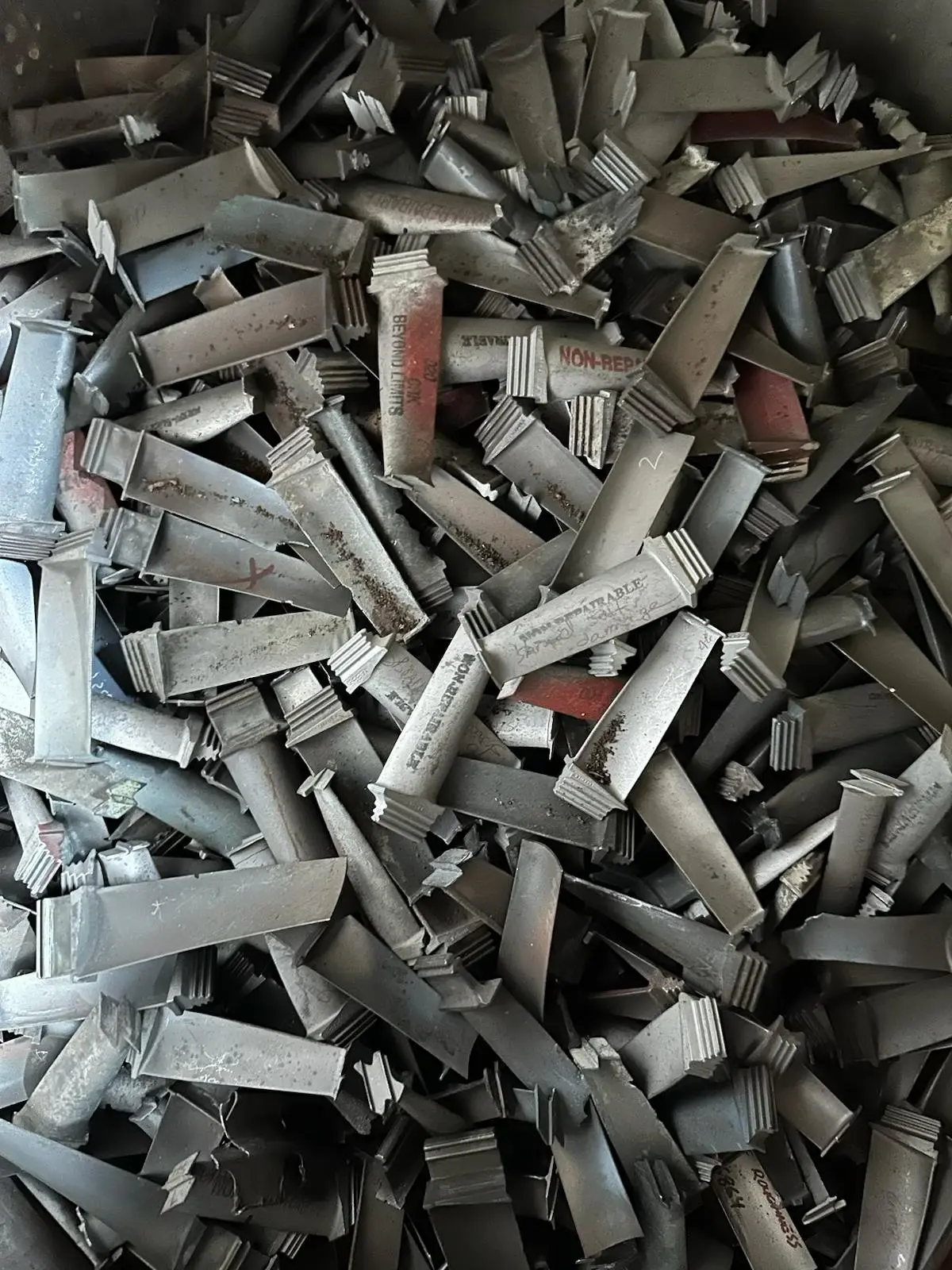
Inconel® alloys are nickel-based superalloys, primarily composed of nickel (50-72%), chromium (14-21%), and iron (6-17%), with additions of molybdenum, niobium, titanium, cobalt, and aluminum to...
Learn More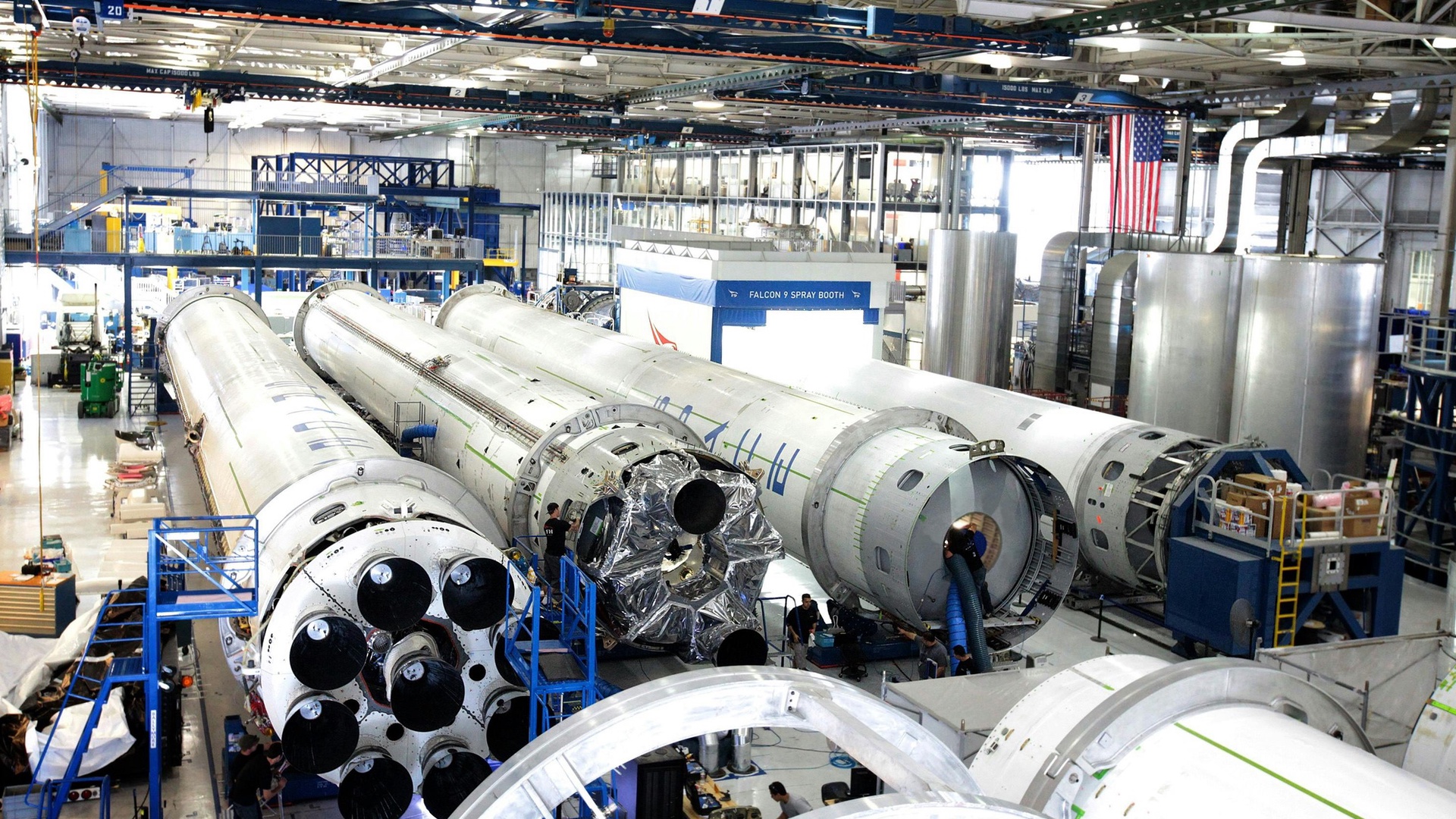
Titanium is a cornerstone material in industrial heat exchange due to its exceptional corrosion resistance, high strength-to-weight ratio, and robust performance under extreme conditions. Its...
Learn More
Recovering metals from scrap products, long a tradition driven by their inherent value, is a cornerstone of sustainable economic practices. Tungsten, a critical raw material...
Learn More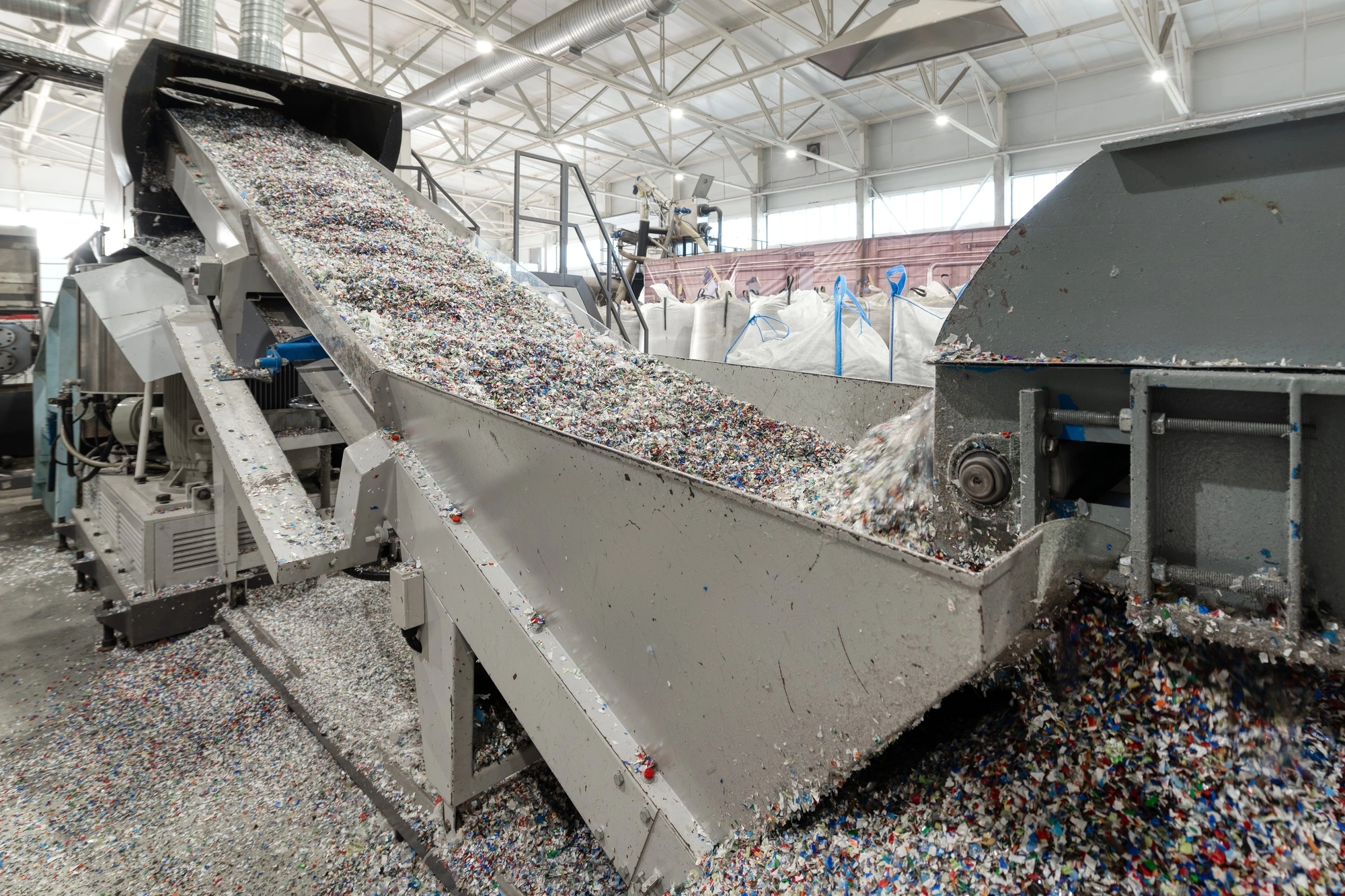
Tantalum is formally designated as one of the "3TG" minerals—tin, tungsten, tantalum, and gold—under various international and national legislations, including those in the U.S. and...
Learn More
As a collective, ASEAN possesses substantial critical mineral resources, including an estimated 20% of the world's rare-earth element reserves, according to 2023 data from the...
Learn More
Myanmar has rapidly emerged as a pivotal, albeit often overlooked, player. The nation has risen to become one of the world's largest suppliers of heavy...
Learn More
The global supply chain for Rare Earth Elements (REEs) continues to face significant, enduring strains, with a recent trade truce offering only a reprieve rather...
Learn More
High-temperature alloys, or superalloys (primarily nickel, cobalt, or iron-based), are engineered to withstand extreme conditions (600°C to over 1500°C) where conventional metals fail. Their exceptional...
Learn More
Tungsten is a vital raw material used across various sectors, including energy, materials science, information technology, and heavy industries, with a notable presence as tungsten...
Learn More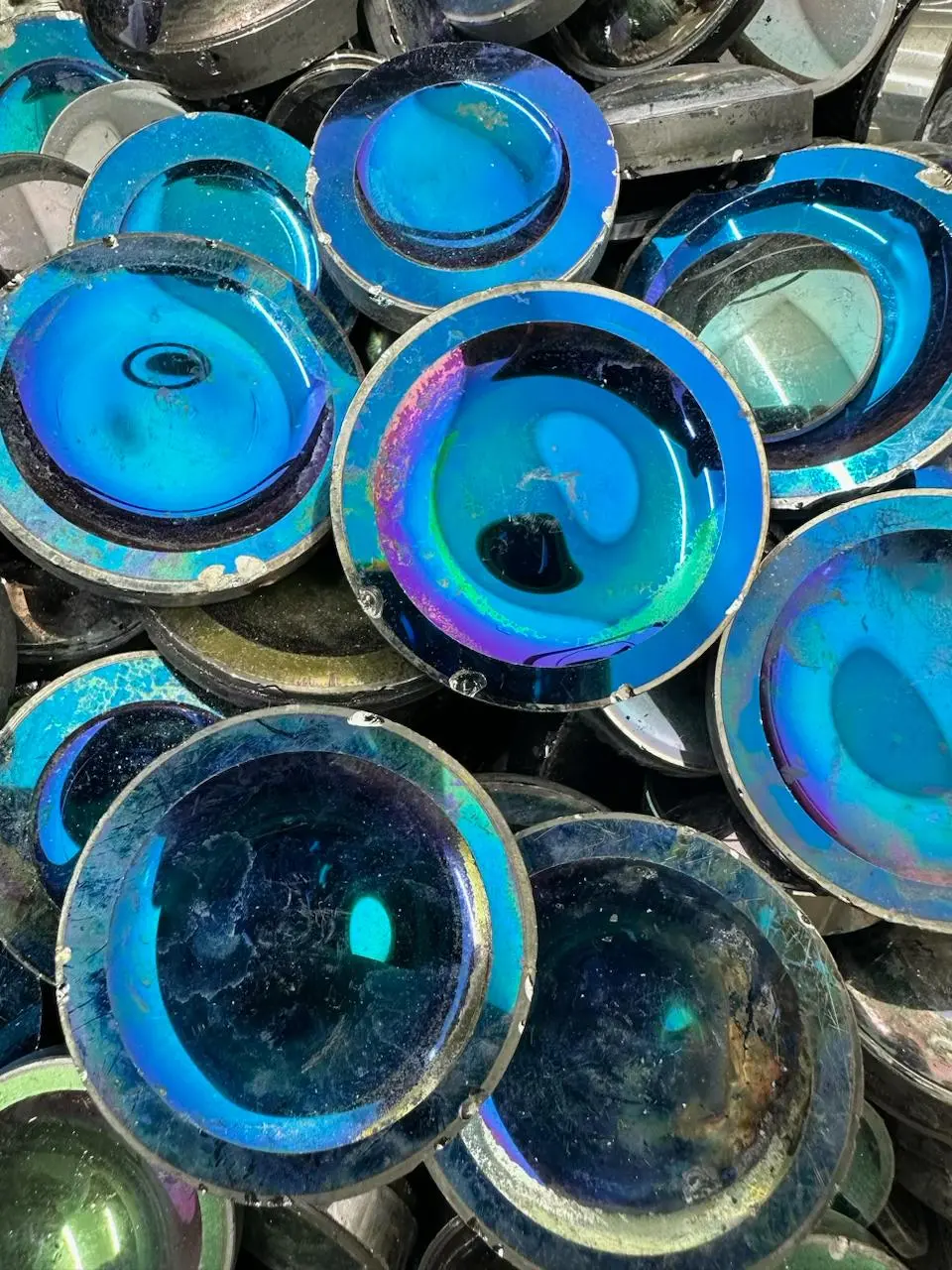
Germanium, a vital metalloid, is indispensable for advanced technologies that underpin modern infrastructure and innovation. For many businesses, germanium-containing waste is not merely a by-product...
Learn More