July 10, 2025
Challenges in Circularity of Tungsten Carbide
The circular economy aims to keep resources in use for as long as possible, extracting the maximum value from them while in use, then recovering...
Learn More
The circular economy aims to keep resources in use for as long as possible, extracting the maximum value from them while in use, then recovering...
Learn MoreNickel-based superalloys (NBSAs) are high-performance materials that are crucial in industries such as aerospace, energy, and automotive due to their exceptional properties and reliability in...
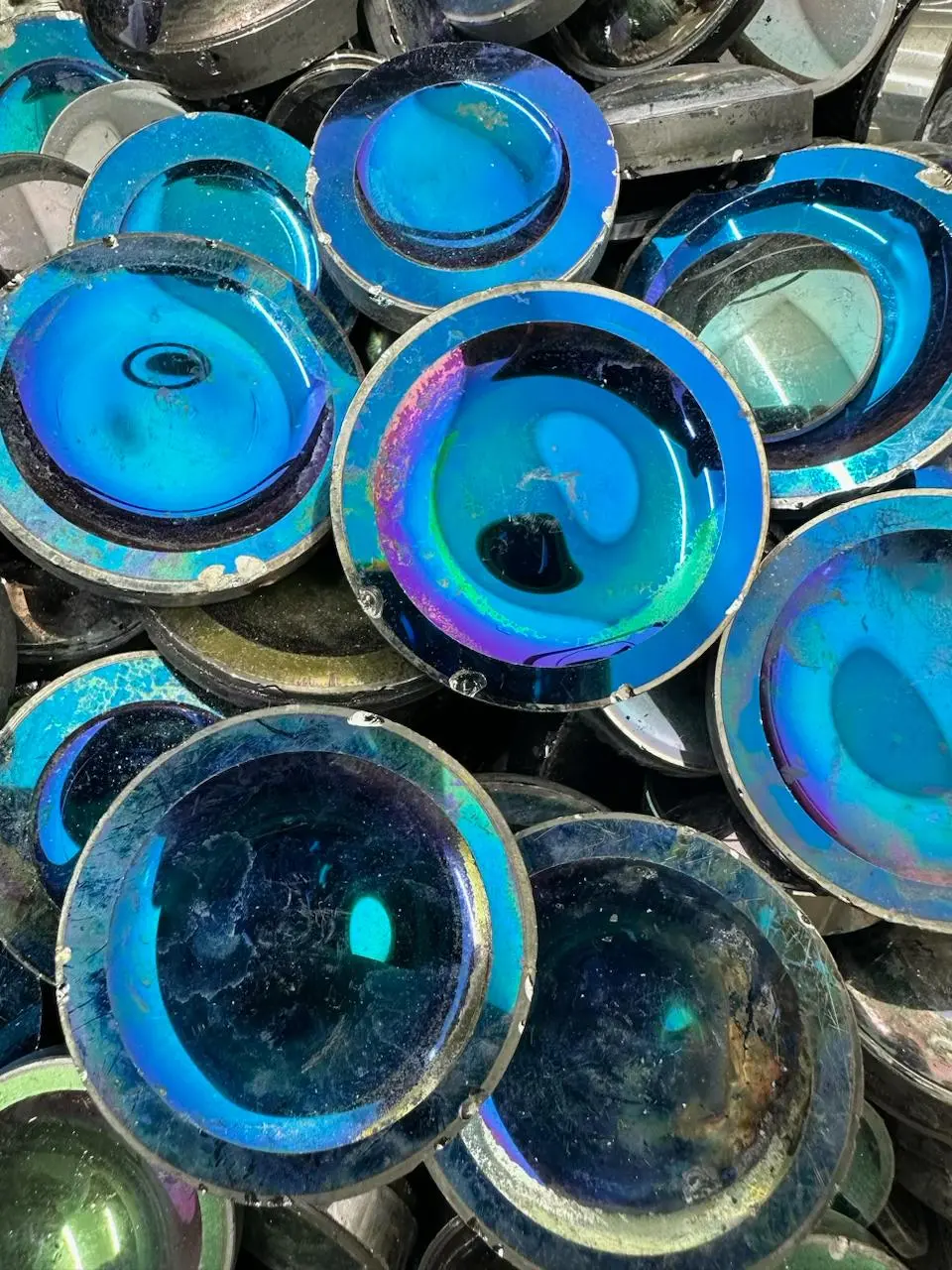
Learn MoreGermanium (Ge) is a crucial material for advanced infrared (IR) optical systems, particularly in the 2-14 micrometer (µm) range, including both Mid-Wave Infrared (MWIR) and...
Learn MoreThe European Union is intensifying its efforts to secure a stable supply of critical raw materials, including rare earths and other vital minerals, by preparing...
Learn MoreRecycling plays a crucial role in waste management and resource conservation, helping reduce the environmental footprint of industries and households alike. However, there are stark...
Learn MoreGeology of Tantalum Deposits Tantalum (Ta) is primarily extracted from various geological sources, with pegmatite-hosted deposits being the most significant. These deposits are typically found...
Learn MoreChina has cultivated an overwhelming dominance across the entire tungsten supply chain, encompassing mining, processing, and export. This pervasive control positions China as the undisputed...
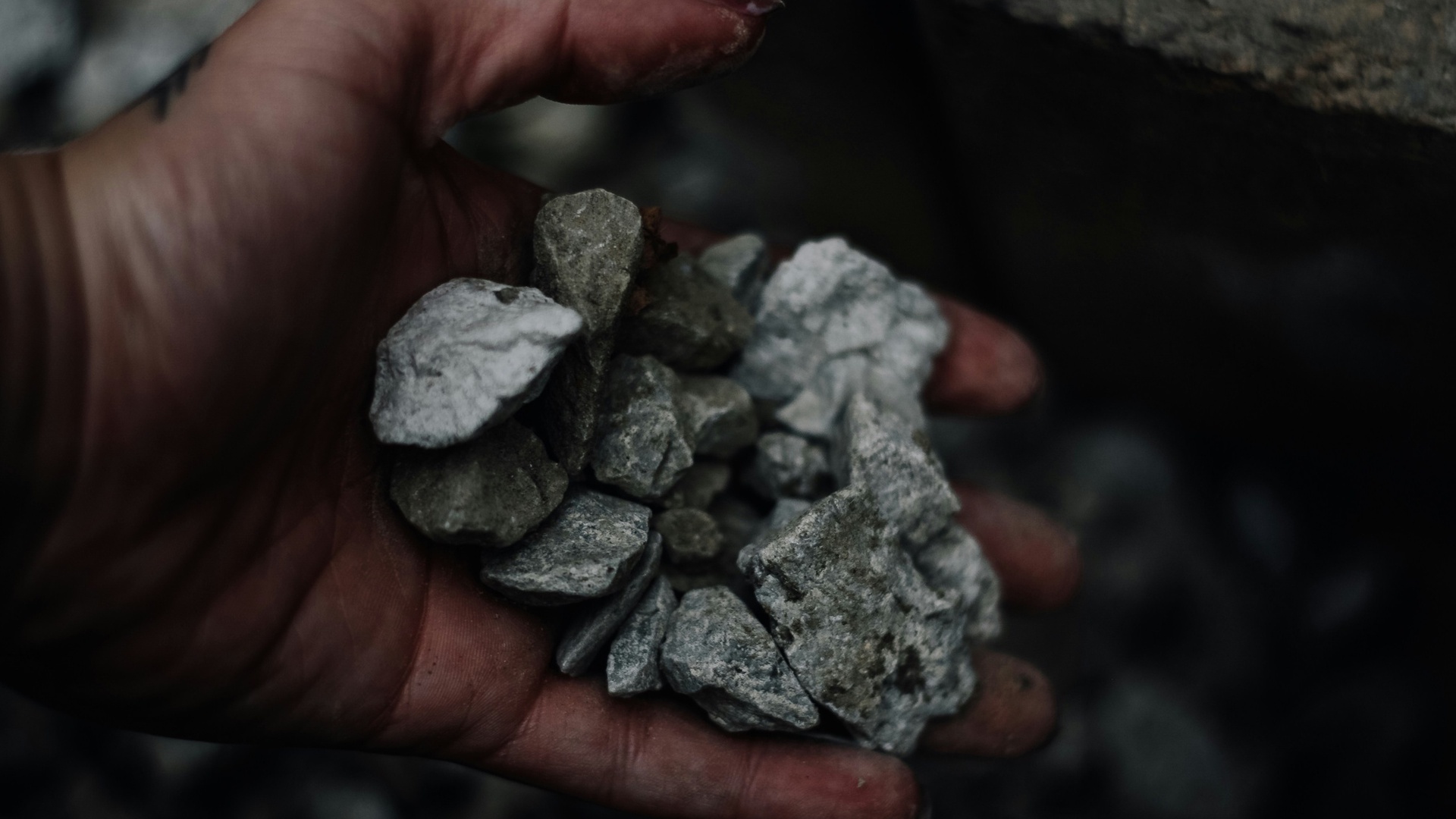
Learn MoreTungsten Carbide (WC) stands as a marvel of material science, renowned for its exceptional hardness, unparalleled wear resistance, and remarkable heat tolerance. These properties make...
Learn MoreGlobal copper resources are categorized using internationally recognized systems, such as the United Nations Framework Classification (UNFC), which distinguishes among various deposit types. These include...
Learn MoreCopper is a cornerstone material across numerous industries, with its significance amplified by its crucial role in the ongoing global transition to green energy technologies....
Learn MoreTitanium (Ti) recycling has emerged as a vital industrial process due to the increasing global demand for this strategic metal, especially in aerospace, medical, and...
Learn MoreThe Mountain Pass Mine, located in the Mojave Desert of southeastern California, is the largest and currently the only producing rare earth element (REE) mine...
Learn MoreTitanium alloys are widely used in industries such as aerospace, medical devices, and automotive due to their high strength-to-weight ratio, corrosion resistance, and high-temperature stability....
Learn MoreThe aerospace industry relies heavily on titanium due to its high strength-to-weight ratio, corrosion resistance, and heat tolerance, making it essential for aircraft structures and...
Learn MoreThe growing global demand for rare-earth elements (REEs), particularly neodymium (Nd), praseodymium (Pr), and dysprosium (Dy), is driven by their vital role in technologies such...
Learn MoreOsmium is the eighth and last of the precious metals, belonging to the platinum group. It holds the distinction of being the rarest stable (non-radioactive)...
Learn MoreOsmium holds the distinction of being the rarest precious metal and, indeed, the rarest stable element found in the Earth’s crust. It naturally occurs as...
Learn MoreThe widespread adoption of yttria-stabilized tetragonal zirconia polycrystals (Y-TZPs) in dentistry, facilitated by precise CAD/CAM technology, has enabled excellent mechanical properties and improved convenience for...
Learn MoreRecycling machined superalloy scrap, such as turnings and borings, is a highly desirable goal, yet it presents significant challenges for conventional remelting techniques. The scrap’s...
Learn MoreThe global aircraft industry is poised for significant growth, with passenger and cargo traffic projected to expand at average annual rates of 5.1% and 5.6%,...
Learn MoreChina recently imposed export restrictions on several rare earth metals, including samarium, gadolinium, and terbium, as part of its broader strategy in the ongoing U.S.–China...
Learn MoreDomestic Production and Processing In 2024, the United States did not produce any germanium from primary refining sources. However, germanium was indirectly produced as a...
Learn MoreReciprocal tariffs on Chinese goods were intended to protect American industries, but instead, they have exposed a glaring vulnerability in the United States’ dependence on...
Learn MoreThe US-China trade war has escalated over the years, moving from tariff disputes to a fierce competition for technological and geopolitical dominance. One of the...
Learn MoreThe World Minerals Outlook for 2029 provides a comprehensive look at the future of critical minerals, including cobalt, gallium, helium, lithium, magnesium, palladium, platinum, and...
Learn More