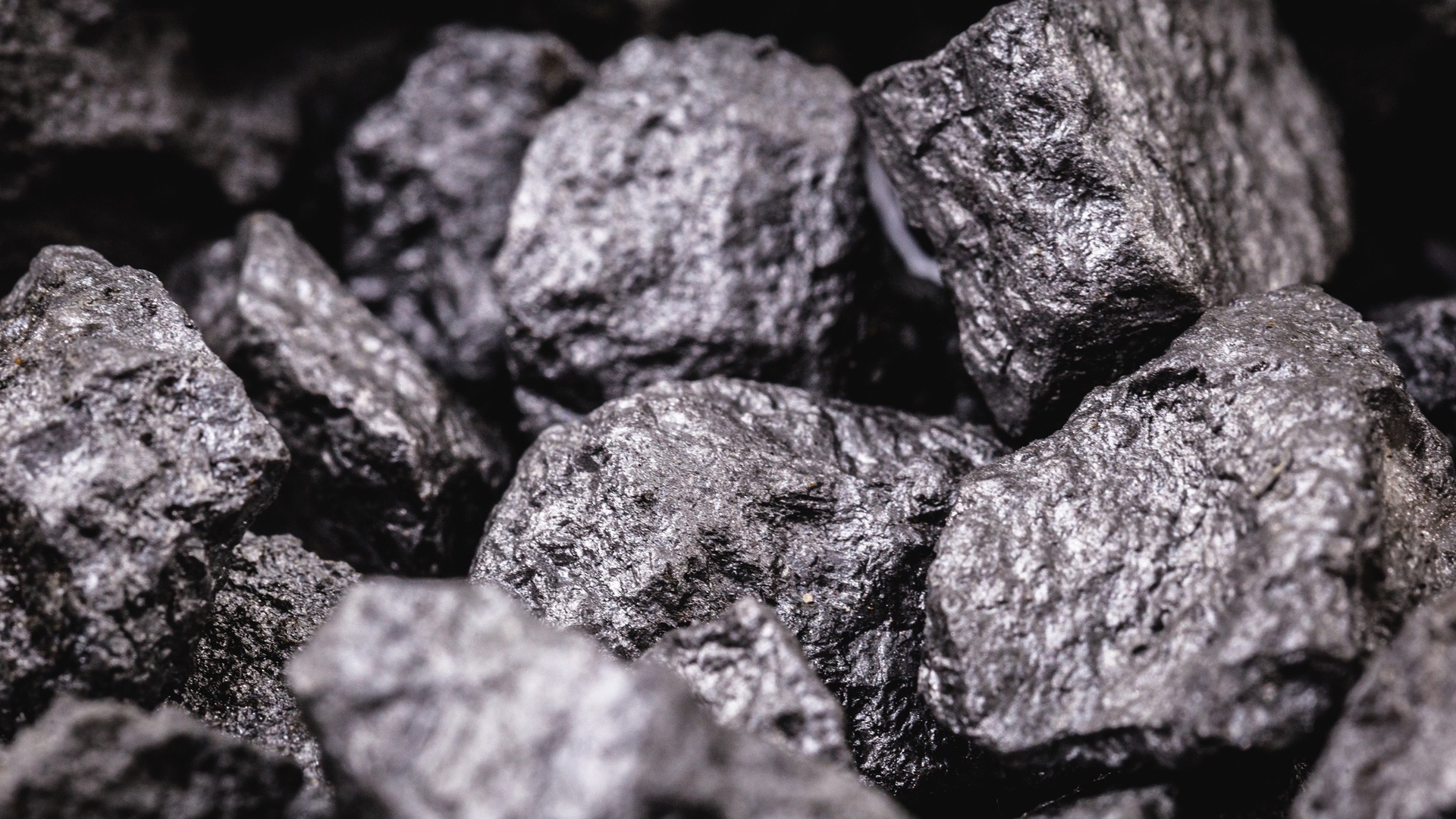
The Trump administration announced a $1.6 billion debt-and-equity investment package in USA Rare Earth Inc., securing the government a 10% equity stake in a company that is at the heart of rebuilding an American supply chain for rare earth elements. The decision marks one of the administration’s most significant incursions into direct private-sector investment, especially in a sector long dominated by China and increasingly viewed as a linchpin of national security. Though billed as a landmark effort to reduce dependence on Chinese imports, the deal raises penetrating questions about the administration’s approach to economic nationalism, industrial policy, and conflicts of interest at the highest levels.
The U.S. demand for a secure supply of rare earth metals has become an economic and geopolitical imperative. These 17 obscure elements are anything but trivial: they form the backbone of modern defense systems, smartphones, semiconductors, wind turbines, and more. Over 85% of the global rare earth supply currently originates from China, which began restricting exports in 2025 amid trade tensions and ongoing geopolitical rivalry with the West.
USA Rare Earth (USAR) has emerged as an anchor player. With a vertically integrated “mine-to-magnet” model centered on the Round Top mine in Sierra Blanca, Texas, and a magnet production facility in Stillwater, Oklahoma, the company aims to become the first fully domestic producer of rare earth magnets by 2028. The deal includes $277 million in federal equity investment and $1.3 billion in loans under the CHIPS and Science Act framework, championed initially under the Biden administration but fully embraced by the current Trump-led Commerce Department.
Commerce Secretary Howard Lutnick lauded the move as a “transformative step” toward U.S. critical minerals independence, describing it as vital to national security. “This investment ensures our supply chains are resilient and no longer reliant on foreign nations,” Lutnick said.
The mechanics of the investment are complex. The deal involves the purchase of 16.1 million common shares at $17.17 per share, plus 17.6 million warrants to purchase additional shares at the same discounted price. Given USAR’s surging stock price, which peaked at $32.07 following the announcement, the government stands to gain hundreds of millions in paper value.
Additionally, the administration structured the investment contingent upon USAR raising at least $500 million from private investors, a requirement the company exceeded with a $1.5 billion PIPE (private investment in public equity) deal led by Cantor Fitzgerald. This brings the company’s total potential capital raised to over $3.1 billion, marking a dramatic acceleration in its growth timeline.
But it’s precisely Cantor Fitzgerald’s involvement that introduces a troubling layer of ambiguity. The Wall Street firm, historically chaired by Commerce Secretary Lutnick and now run by his sons, served as the lead placement agent in the private investment round. Even though the Commerce Department maintains that Cantor Fitzgerald had no role in the government’s deal with USAR, the optics are difficult to ignore. Critics such as Robert Weissman of Public Citizen have called the arrangement a possible case of self-dealing disguised as patriotic duty. “The fact that the deal is brokered by the Wall Street firm formerly run by the commerce secretary and now headed by his sons is reason to worry that the public interest is being subordinated, yet again, to the profit-seeking of Trump cronies,” Weissman charged. While Lutnick has formally divested from Cantor, his family’s continued role raises skepticism about whether official policy is guided by strategy or proximity to power.
Perhaps most strikingly, the USA Rare Earth investment is emblematic of a broader philosophical pivot within the Republican Party, long the bastion of free-market orthodoxy, toward a more active, state-led industrial strategy. Under Trump’s second administration, government equity stakes in companies like Intel, Westinghouse, U.S. Steel, MP Materials, and now USAR signify a federal willingness to intervene in “strategic” markets directly. While some economists and market purists express unease at what they perceive as “soft nationalization,” Trump officials counter that these investments are not merely subsidies; they’re business transactions intended to deliver both national security and taxpayer upside. “Why should taxpayers just give grants when we can take an equity position and share the upside when these companies succeed?” questioned one senior administration official, reflecting a transactional view of national industrial policy.
From a policy perspective, the administration’s partnership with USAR may well be a historic turning point. By 2030, USAR plans to extract 40,000 metric tons per day from Round Top and process up to 10,000 tons per annum after its expansion, including neodymium-iron-boron magnet production. If met, these goals would significantly shift the global balance of rare earth sourcing. Yet the fundamental tension remains: are we witnessing a pragmatic course correction in American industrial strategy, or are public resources being diverted to favored firms with the right connections?
As USA Rare Earth moves toward production and the administration considers additional transactions in the minerals sector, potentially including Greenland’s critical mineral resources, public scrutiny will intensify. To maintain legitimacy, future deals will need not only to pass economic muster but also the more elusive tests of transparency, fairness, and ethical governance. The Trump administration may indeed be reshaping the American industrial landscape. But the contours of that transformation raise difficult questions about where economic strategy ends and political favoritism begins.