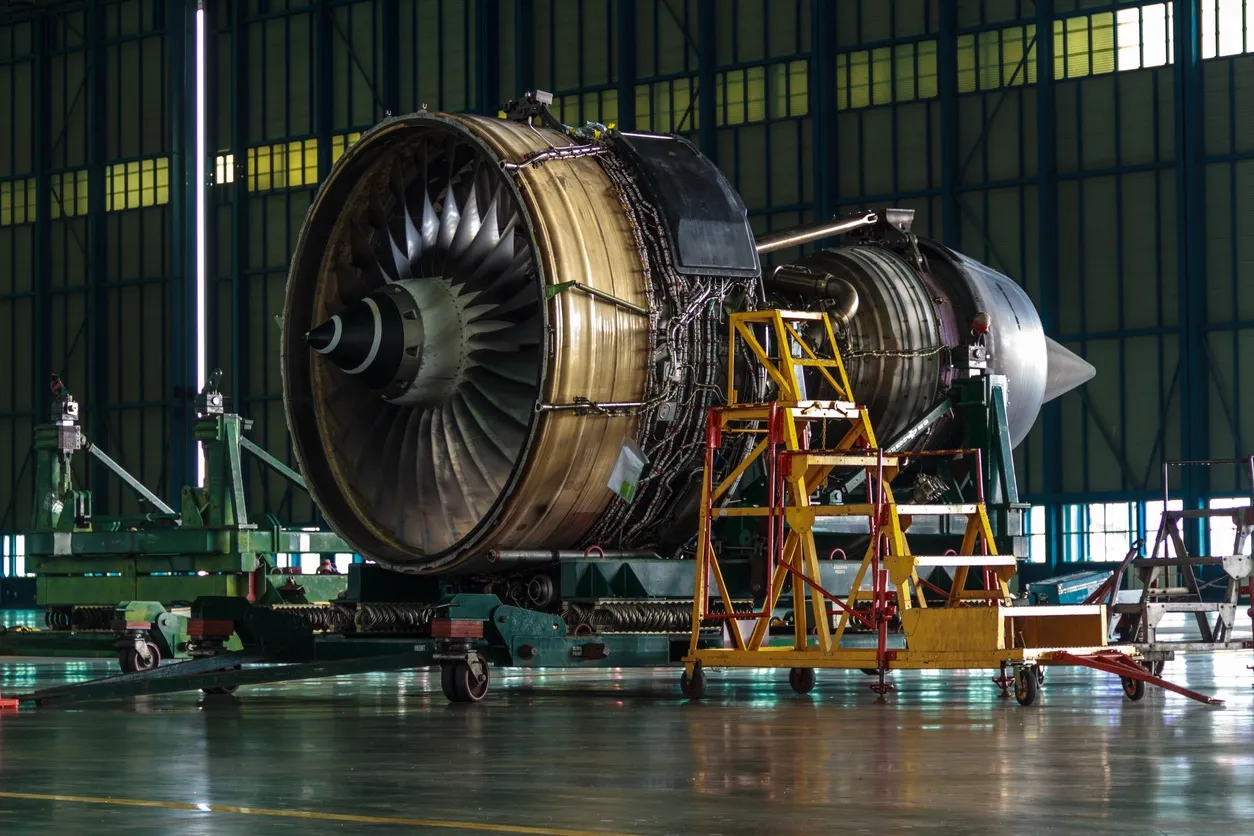
While lithium, copper, and gold dominate the headlines in critical mineral discussions, titanium is emerging from the periphery as a strategically vital resource, particularly in defense and aerospace. Its unique combination of high strength-to-weight ratio and exceptional corrosion resistance makes it indispensable in sectors where performance and reliability are non-negotiable. As global demand increases and supply chain vulnerabilities grow more evident, titanium is poised to become one of the most consequential, albeit often overlooked, metals on the geopolitical stage.
Titanium is used in two vastly different forms. Over 90% of mined titanium feedstock is processed into titanium dioxide (TiO₂), a white pigment used in paint, plastics, cosmetics, and food products. Only a small fraction is refined into metallic titanium alloys used in jet engines, military aircraft, submarines, spacecraft, and medical implants.
This divergence has critical implications. Current titanium mining in North America, particularly in Florida, Georgia, Virginia, and Quebec, focuses almost exclusively on pigment production. While economically valuable, this process does little to support the aerospace and defense industries, which rely instead on titanium metal derived from titanium sponge.
Titanium sponge is the intermediate, purified form of titanium metal that is later melted and alloyed to produce parts for high-stress, precision applications. This material is the true bottleneck: it is difficult and expensive to produce, requires exacting standards for defense and aerospace certification, and has few substitutes. The problem? The U.S. has had no domestic titanium sponge production since the Henderson, Nevada, plant closed in 2020, leaving the country reliant on imports and a supply chain now dominated by geopolitical rivals.
The aerospace sector alone is expected to require approximately 1.6 million tonnes of titanium over the next two decades, with defense applications accounting for up to 20% of that total. Some high-performance military jets, like the F-15, are composed of up to 40% titanium by weight, reflecting the metal’s crucial role in modern combat aircraft.

But while Western appetite for titanium grows, key supply channels remain concentrated. Russia remains the primary source of aerospace-grade titanium sponge. Meanwhile, China’s control over global titanium metal production has accelerated from 40% in 2019 to a projected 75% by 2025. This consolidation creates potential disruptions.
In recent years, China has leveraged its control over rare earths and other strategic minerals to assert influence in trade negotiations. Should this approach extend to titanium exports, U.S. and European aerospace manufacturers like Boeing and Airbus could find themselves scrambling to secure supplies, delaying aircraft production, slowing weapons programs, and placing Western defense readiness at risk.
The structural gap between mining and metal production further complicates the United States’ titanium dilemma. While ilmenite and rutile, the minerals from which titanium is derived, are mined domestically for pigment applications, they are not processed into titanium sponge. This makes domestic mining largely irrelevant to the defense and aerospace sectors unless it is matched by corresponding sponge and melt capacity.
The closure of existing sponge production left the U.S. industry with little choice but to rely on foreign producers. Compounding the problem, many pigment manufacturing plants globally are under financial strain, with some already entering liquidation. China’s substantial investment in pigment capacity has undermined international competition and crowded the market, leaving Western producers with fewer viable options.
In addition to the major developments in North Carolina, other significant expansions are occurring nationwide. In West Virginia, a new titanium melt plant is being constructed on the grounds of a former aluminum smelter. This innovative facility will operate with an industrial microgrid powered by solar and battery storage, showcasing a growing interest in sustainable manufacturing solutions. Similarly, in Pennsylvania, efforts to increase titanium ingot production are underway, with enhancements to the electron-beam melting infrastructure expected to increase capacity by 8,500 tons per year. These initiatives collectively reflect a strong commitment to revitalizing the U.S. titanium supply chain.
These developments mark a concerted effort to rebuild the missing middle of the titanium value chain in the U.S. from sponge production to certified alloy manufacturing. Supply diversification is not limited to the U.S. either. Airbus has announced plans to source titanium raw materials from Saudi Arabia as part of a widebody aircraft deal with the kingdom’s flag carrier. The agreement includes $666 million in titanium materials, signaling a global push to establish alternative supply lines outside Russia and China.
From a national security perspective, countries across NATO and other defense alliances are increasingly recognizing titanium’s critical role. As aerospace and military programs ramp up to meet post-pandemic and geopolitical demands, titanium demand is likely to increase.
The titanium industry, long out of view, now finds itself at the heart of geopolitical strategy. With significant capacity expansions, growing government backing, and a renewed focus on integration from mine to melt, a new titanium ecosystem could emerge, one capable of supporting next-generation airplanes, advanced weaponry, and secure industrial advancement. But timing is crucial. Delays in sponge production, certification hurdles, and global market volatility all pose risks. The key lies not just in mining or melting but in building a fully integrated, sustainable, and secure titanium supply chain that keeps pace with future defense and aerospace ambitions.