In a high-profile diplomatic spectacle staged in Washington, D.C. in December 2025, former U.S. President Donald Trump brokered a landmark peace agreement between the Democratic Republic of Congo (DRC) and Rwanda. Framed as a historic step toward ending decades of conflict in mineral-rich eastern Congo, the Washington Accords combine political reconciliation with sweeping economic and infrastructure deals, including a highly strategic minerals partnership between the U.S. and the DRC. However, while the signing ceremony was accompanied by rhetoric hailing it as a turning point for peace in Africa, questions remain about the deal's implementation, its opaque processes, and who ultimately benefits from it.
The Congolese-Rwandan conflict, rooted in the aftermath of the 1994 Rwandan genocide and exacerbated by the presence of over a hundred armed non-state groups, has defied decades of peace efforts. At the heart of much of the recent violence is the M23 rebel group, affiliated with the Congolese Tutsi community and widely accused by the United Nations, the European Union, and multiple governments of receiving military, logistical, and financial support from Rwanda. In turn, Rwanda accuses DRC of harboring the FDLR (Democratic Forces for the Liberation of Rwanda), a Hutu militia with ties to the genocide.
The Washington Accords, negotiated over the past year with critical support from the U.S., Qatar, and the African Union, aim to address these core grievances through a comprehensive framework that emphasizes mutual respect for sovereignty and territorial integrity, the demobilization of armed groups, and regional economic integration.
Signed on December 4 at the newly renamed Trump Institute of Peace in Washington, the peace deal outlines an ambitious roadmap for stability in Central Africa. Central to the agreement is a reciprocal security pledge designed to de-escalate tensions immediately: Rwanda has committed to withdrawing its forces and lifting defensive measures along the border, while the Democratic Republic of the Congo (DRC) promises to neutralize the FDLR and ensure its territory is never used as a staging ground for armed groups threatening Rwanda
To ensure these high-level commitments translate into action on the ground, the parties agreed to launch a Joint Security Coordination Mechanism within 30 days to oversee implementation. This structure will support the disarmament, demobilization, and conditional reintegration of combatants into Congolese security forces.
Beyond the military logistics, the deal places a heavy emphasis on the human cost of the conflict. Extensive provisions have been made to increase protection for civilians and facilitate the safe return of refugees and internally displaced persons (IDPs).
Recognizing that economic instability fuels conflict, the agreement mandates the launch of a Regional Economic Integration Framework within 90 days. This framework will incorporate strict oversight mechanisms specifically designed to prevent corruption and curb the illicit trade of minerals.
Perhaps the most symbolically significant component of the summit was the DRC’s agreement to a separate bilateral partnership with the United States. Focused on mineral extraction, energy infrastructure, and logistics, this side deal represents a major geopolitical shift. The Trump administration has touted this initiative as a "dual win": it aims to bring stability to a volatile region while simultaneously decreasing U.S. reliance on Chinese-dominated supply chains for the critical minerals essential to green energy technologies and the defense industry.
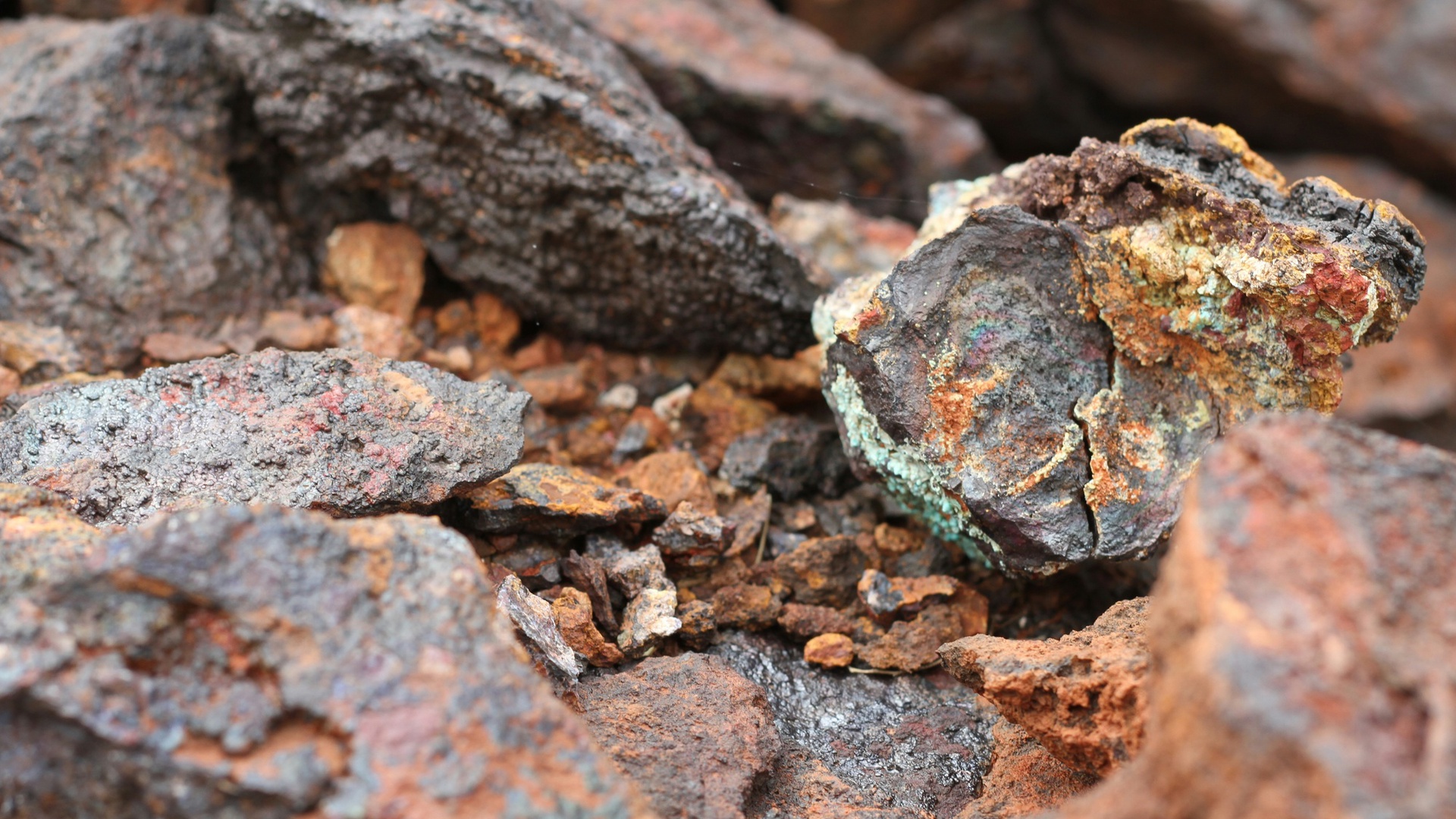
At the heart of the deal is the U.S. ambition to tap into Congo’s trove of critical minerals, which include cobalt, copper, lithium, tantalum, and gold resources vital for electric vehicles, semiconductors, and renewable energy technologies. Tina Salama, spokesperson for Congolese President Félix Tshisekedi, emphasized that Congo will emerge as a "continental energy hub" through this partnership.
The U.S. and a coalition of private investors are expected to invest in major infrastructure projects such as the $1.8 billion connection to Angola’s Lobito rail corridor, granting direct access to the Atlantic Ocean. Furthermore, support is anticipated for the long-envisioned Grand Inga Dam slated to become the world’s largest hydroelectric plant.
However, Congolese officials stressed that these investments are contingent upon Rwanda halting its support to rebel factions. “It’s proof that Rwanda doesn’t want peace,” government spokesman Patrick Muyaya stated, referring to recent M23 advances despite earlier ceasefire declarations.
Unsurprisingly, Trump used the peace deal’s signing as a moment of self-celebration. “Look at the way they love each other,” he said while congratulating Presidents Félix Tshisekedi and Paul Kagame, calling it “a great day for Africa.” Trump has frequently portrayed himself as a global peacemaker, claiming, often controversially, to have “ended” several international conflicts.
Critics argue that the ceremony was heavy on optics and light on substance. Despite the agreement, M23 rebels still control large areas in North and South Kivu provinces, and reports suggest ongoing skirmishes between the group and government forces.
Though the Washington Accords offer a detailed framework, analysts suggest the devil lies in the implementation. Jason Stearns, founder of the Congo Research Group at NYU, noted, “The US initiatives have been successful at bringing everyone to the table, but they haven’t addressed the root causes or brought peace on the ground.”
Indeed, skepticism abounds. Nobel laureate Dr. Denis Mukwege, a Congolese physician renowned for his work assisting sexual violence survivors, criticized the process as “opaque,” warning that the deal could become “a reward for aggression” and that it effectively “forces the victim to alienate their national heritage in exchange for a fragile peace.”
Under the agreement’s terms, success hinges on several coordinated efforts, including:
Trump's blunt statement that the U.S. is “getting a lot of the mineral rights from Congo” sparked outrage among Congolese civil society groups, who see in the deal the legitimization of resource exploitation under the guise of peace. Despite pledges of transparency and anti-corruption mechanisms, the risk remains that geopolitical interests will overshadow local needs for justice, social cohesion, and long-term development.
In the short term, U.S. companies are poised to gain from access to vast reserves of strategic minerals. But whether these gains translate into real peace and prosperity for the Congolese people remains an open question.
The Washington Accords mark a historic milestone in efforts to resolve one of Africa’s most entrenched and deadly conflicts. They also highlight the growing intersection of diplomacy, natural resource interests, and great power competition in global affairs.
Yet, as President Tshisekedi himself noted in a recent address, “All of this will only be implemented if and only if peace is truly achieved between our two countries, and trust as well. You don’t do business with someone you don’t trust.”
With implementation timelines ticking and rebel fighters still active in eastern Congo, the DRC-Rwanda-U.S. trilateral deal stands at a precarious crossroads, its promises of peace and prosperity still hanging in the balance.