Tungsten is an indispensable metal in industry, known for its extreme properties: the highest melting point of all metals at 3,410 °C (6,170 °F), an exceptionally high density of 19.3 g/cm³, and superior hardness. These characteristics make it crucial for high-performance applications. Its compound form, tungsten carbide (WC), is particularly valued for its unparalleled hardness (9.5 on the Mohs scale) and wear resistance. This makes it ideal for cutting tools, precision dies in wire drawing, cold heading, and extrusion, as well as components in aerospace, defense, and electronics. The unique properties and scarcity of tungsten establish its high intrinsic value, extending even to manufacturing byproducts like turnings, which represent a recoverable source of this critical material.
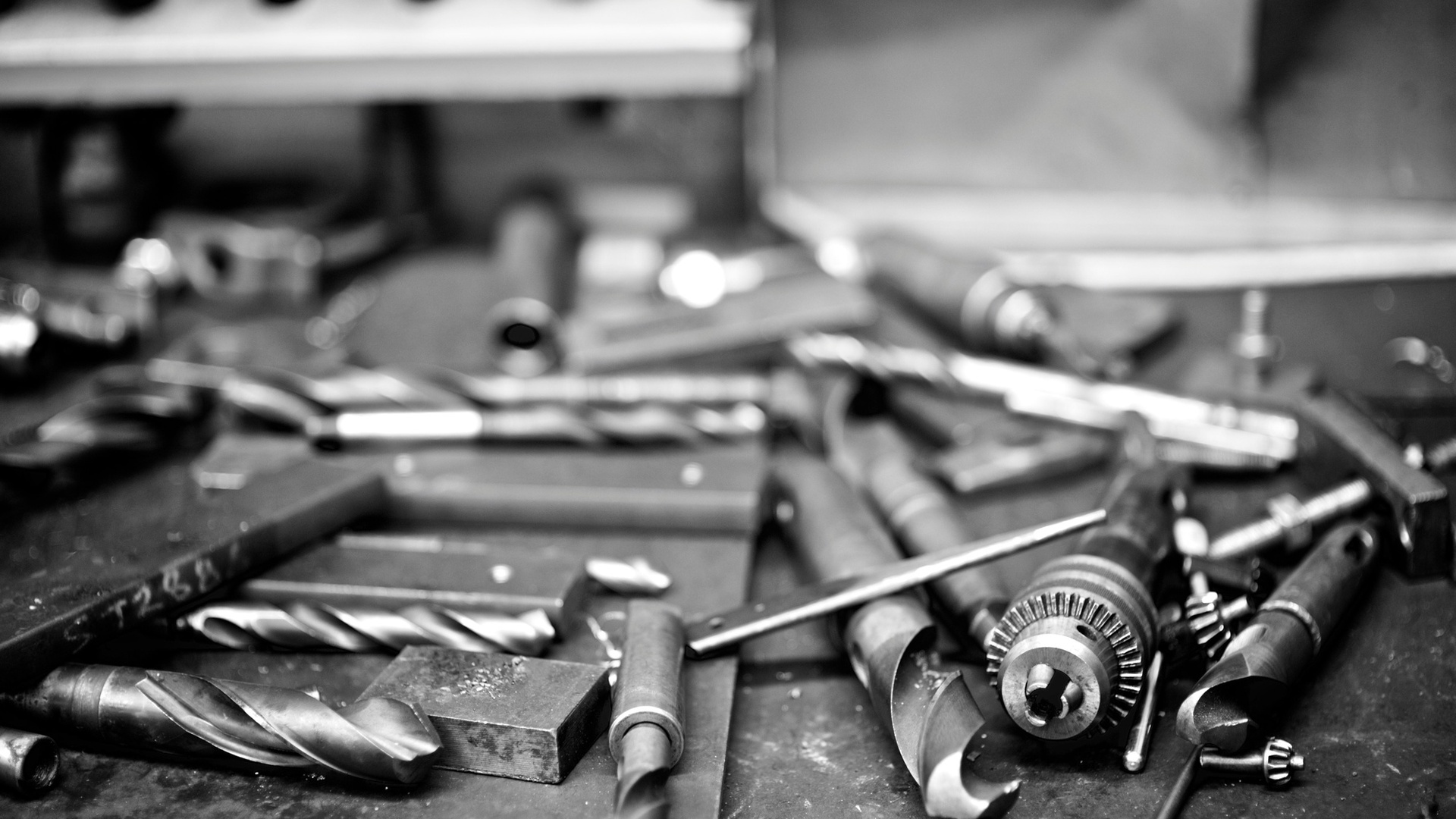
Despite its formidable hardness, tungsten is routinely machined into the precise components vital for numerous industries. This manufacturing involves a range of processes, including turning, milling, drilling, and grinding. During these operations, particularly turning (where a workpiece rotates against a cutting tool to remove material) and grinding (which employs abrasive wheels), material is removed, inevitably generating fine chips, shavings, turnings, and swarf. Machining tungsten is notably challenging due to its inherent toughness and brittleness, often necessitating specialized tools such as diamond grinding wheels or robust tungsten carbide drill bits. Furthermore, specific metalworking fluids are crucial for effectively managing the intense heat, reducing friction, and facilitating chip removal during these demanding processes.
Unlike more common industrial metals, tungsten’s rarity and its indispensable role in high-tech and strategic industries mean that the byproducts of its manufacturing—its scrap—are not merely waste, but a highly valuable commodity. The robust global demand for tungsten, driven by its critical applications in sectors that require extreme durability and performance, directly underpins its high scrap resale value. The inherent difficulty and specialized requirements for machining tungsten components also contribute to the high cost of virgin tungsten. This manufacturing complexity, ironically, reinforces the value of the scrap generated, as it represents material that has already undergone initial, expensive processing and still contains the valuable element. Recovering these turnings bypasses some of the most challenging and costly steps of extracting and initially shaping virgin tungsten, making the scrap a more accessible and efficient source of the material.
A significant challenge, and indeed a missed opportunity, arises from the common practice in many machine shops where tungsten turnings are inadvertently mixed with general metal scrap. Many operations, perhaps unaware of the substantial value contained in these materials, unknowingly discard this valuable resource, resulting in significant lost revenue. This practice is not merely a missed sale; it represents a direct, measurable opportunity cost that impacts a business’s bottom line. A lack of awareness regarding tungsten’s high scrap value directly leads to improper material handling and segregation practices. When valuable tungsten scrap is contaminated with other metals, oils, or debris, it necessitates additional, costly refining processes for recyclers. These additional costs are then factored into a significantly lower purchase price offered to the seller, or in extreme cases, the material may even be refused as high-grade tungsten scrap. This means that businesses, by failing to segregate and maintain the cleanliness of their tungsten scrap, are effectively diminishing the value of a recoverable asset through negligence or lack of information. Proper segregation and cleanliness are, therefore, absolutely crucial for maximizing the value of tungsten scrap, transforming what might be considered waste into a tangible financial asset and a critical component of operational excellence.
The market value of tungsten scrap fluctuates with global supply and demand, but its form and purity are key determinants of price. Solid carbide tooling generally fetches higher prices than turnings due to higher tungsten concentration and lower contamination. Clean, uncontaminated scrap, ideally with a tungsten content of 70% or higher, commands the highest value. Contamination from other metals, oil, or grease significantly reduces value due to increased refining costs for recyclers. Larger, heavier pieces and higher scrap volumes are also preferred, often resulting in better pricing. Simple on-site tests, like checking density, magnetism (tungsten carbide is typically non-magnetic), and spark patterns (short, reddish-orange sparks when ground), can help identify tungsten carbide.
The value of tungsten extends far beyond immediate financial gains for individual businesses; it plays a critical role in national security and the broader industrial landscape. Tungsten is officially designated as a “critical material” by governments, including the U.S., due to its indispensability for national security and essential civilian needs. This designation is particularly significant because tungsten is not domestically sourced or produced in sufficient quantities, leading to a heavy reliance on foreign suppliers. The U.S. currently imports over 50% of its tungsten consumption, with a substantial portion originating from China, which mines an estimated 81% of the global supply.
This reliance on foreign sources creates a strategic vulnerability. Tungsten is an essential building block in many Department of Defense (DOD) weapon systems, enabling unique, high-performance combat capabilities vital to national defense. Beyond military applications, tungsten is crucial in a diverse array of civilian technologies, including circuit boards, nuclear reactors, light sources, mobile phones, batteries, electric vehicles, and various other consumer goods. Its unique properties—high melting point, exceptional strength, and hardness—make it irreplaceable in these high-stakes applications, with few equivalent substitutes.
The implications of tungsten’s rarity and reliance on foreign supply are profound. Potential supply chain disruptions of critical materials, such as tungsten, pose a significant risk to national security and economic stability. Every pound of tungsten scrap recovered domestically contributes directly to national strategic goals by reducing reliance on volatile foreign supply chains and enhancing domestic material security. This means that selling tungsten turnings is not merely a business transaction; it is a contribution to national resilience and strategic independence.
Furthermore, the collective discarded tungsten scrap in machine shops represents a significant, untapped domestic reserve of this critical material. If many machine shops are unknowingly discarding this material, the aggregate volume of recoverable tungsten in the domestic waste stream is substantial. This “waste” is effectively a dispersed, unmined resource. By recovering this material, the U.S. can effectively “mine” a new domestic source without the extensive environmental impact or geopolitical complexities associated with traditional mining operations. This frames proper scrap management not just as a revenue opportunity for individual businesses, but as a collective, decentralized national resource recovery effort that transforms what was once considered mere waste into a strategic national asset.
Quest Alloys & Metals offers specialized expertise in industrial metal recycling, particularly for high-value materials like tungsten. They understand the market nuances of purity, form, and fluctuations that impact scrap value. Quest Alloys & Metals provides:
To unlock this hidden revenue, implement a dedicated process for separating tungsten turnings, shavings, and swarf from general metal scrap. Ensure the collected material is clean and free of contaminants such as oils and other metals, as purity directly affects price. Storing material in bulk can also lead to better rates and simplified logistics.
Don’t let valuable tungsten scrap go to waste. Contact Quest Alloys & Metals today for a quick, no-obligation assessment of your tungsten turnings and discover the significant revenue potential in your scrap bins.