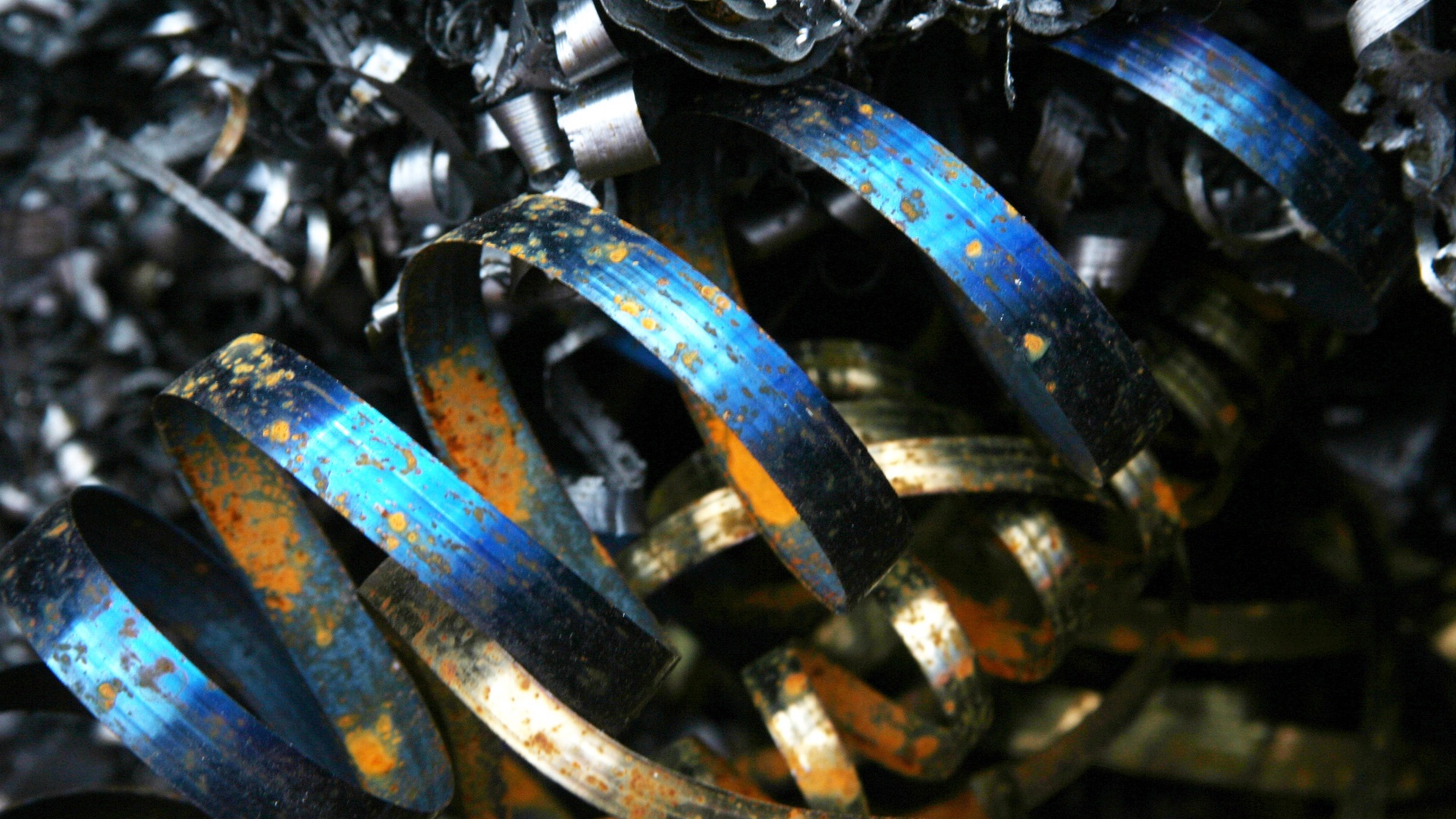
In metalworking shops across the globe, bins overflow with blue-grey curls of titanium, often overlooked and quickly discarded to free up floor space. Yet, in these so-called “waste” piles lie untapped revenue streams that, if handled properly, can generate significant profits and support broader sustainability goals. Titanium swarf, turnings, and off-cuts may appear valueless at first glance, but they contain the same high-performance elements that make titanium essential to aerospace, medical, and industrial manufacturing. The key to unlocking this hidden value lies in understanding market dynamics, technical nuances, and strategic partnerships like those offered by Quest Metals.
Titanium, often dubbed the "metal of the gods," is prized for its exceptional strength-to-weight ratio, corrosion resistance, and biocompatibility. It’s a critical enabler of aerospace innovation, helping aircraft like the Boeing 787 Dreamliner meet stringent fuel-efficiency targets and foundational in medical implants where purity and performance are non-negotiable. Despite these benefits, titanium manufacturing is inherently wasteful. The aerospace industry, for example, regularly endures “buy-to-fly” ratios as high as 10:1, meaning up to 90% of the material purchased is machined away. Traditionally treated as a nuisance or low-value byproduct, this “waste” is now at the center of a growing economic opportunity.
We are living through a titanium super-cycle. The commercial aerospace sector, rebounding fiercely post-COVID, has seen a surge in aircraft orders. Production rates for pivotal aircraft like the Boeing 737 MAX are on the rise, pushing titanium consumption higher to accommodate new-generation designs featuring carbon fiber composite materials that necessitate titanium’s galvanic compatibility.
This increase in demand coincides with a tightening global supply. The production of titanium sponge, the raw input for all titanium alloys, is highly concentrated in politically sensitive regions like China and Russia. Ongoing geopolitical instability, particularly around sanctions against Russian producer VSMPO-AVISMA, has prompted Western aerospace manufacturers to urgently diversify their supply chains. As access to virgin material becomes riskier and more expensive, titanium scrap, especially high-quality grades sourced domestically, gains strategic importance.
Beyond aerospace, titanium finds stable demand in sectors like medical device manufacturing and industrial processing. Medical-grade alloys like Ti-6Al-4V ELI (Grade 23) fetch a premium due to strict purity requirements and steady, demographic-driven demand. In industrial settings, grades like CP Ti (Commercially Pure) are used prolifically in heat exchangers and emerging green technologies like hydrogen electrolyzers, contributing to a broadening base for titanium recycling and reuse.
To unlock the hidden value in titanium scrap, it’s crucial to distinguish between different forms and how each is treated in the secondary market.
Solids, including plate trimmings, bar ends, and forging flash, represent the blue-chip assets of titanium scrap. Thanks to their low surface area and density, they pose minimal contamination risk and are easy to verify, clean, and transport. As a result, solids command top-tier market prices ranging from $3.90 to over $5.00 per pound for high-grade aerospace alloys.
For machine shops, maximizing the output of solids through strategic nesting, cutting, and minimal grinding can yield immediate returns. More importantly, clean, dense solids are sought after by melt shops for use in Vacuum Arc Remelting (VAR) or Electron Beam Melting (EBM), especially when the goal is to produce aerospace-critical parts.
Turnings or swarf are generated in abundance in subtractive machining operations. Despite containing the same valuable alloying elements as solids, turnings typically trade at a steep discount, roughly $1.50 to $2.00 per pound or less due to significant processing challenges.
Turnings are light, fluffy, and susceptible to:
Unprocessed, they are rejected or sold at a deep discount. But here’s the crux: with proper segregation, de-oiling, and densification strategies, these turnings can be upgraded significantly in value. The Role of Advanced Processing and Expertise
As the push for sustainable manufacturing intensifies, titanium scrap will play a crucial role. Technologies that transform scrap into powder for additive manufacturing or re-extrude turnings into usable rod (like solid-state recycling) are already in development. Meanwhile, clients that optimize their scrap streams not only boost revenues but also reduce carbon footprints, an attractive proposition in ESG-sensitive procurement environments.
For decades, titanium scrap was seen as an unavoidable cost, a flammable nuisance best vacuumed away. But in today’s supply-constrained and sustainability-focused world, those boxes of curled turnings and weighted bins of offcuts represent a new kind of inventory: a recoverable, high-value resource.
The key to unlocking this value lies not just in recognizing titanium scrap’s intrinsic worth but in choosing the right partner. Whether it’s segregating alloys, centrifuging chips, or brokering high-grade solids to the best global buyers, Quest Metals transforms titanium recycling from a logistical afterthought into a core business advantage. In the future of precision manufacturing, the smartest shop floors won’t just optimize for tolerances, they’ll optimize for scrap. Because sometimes, the metal you throw away is worth more than the part you keep.