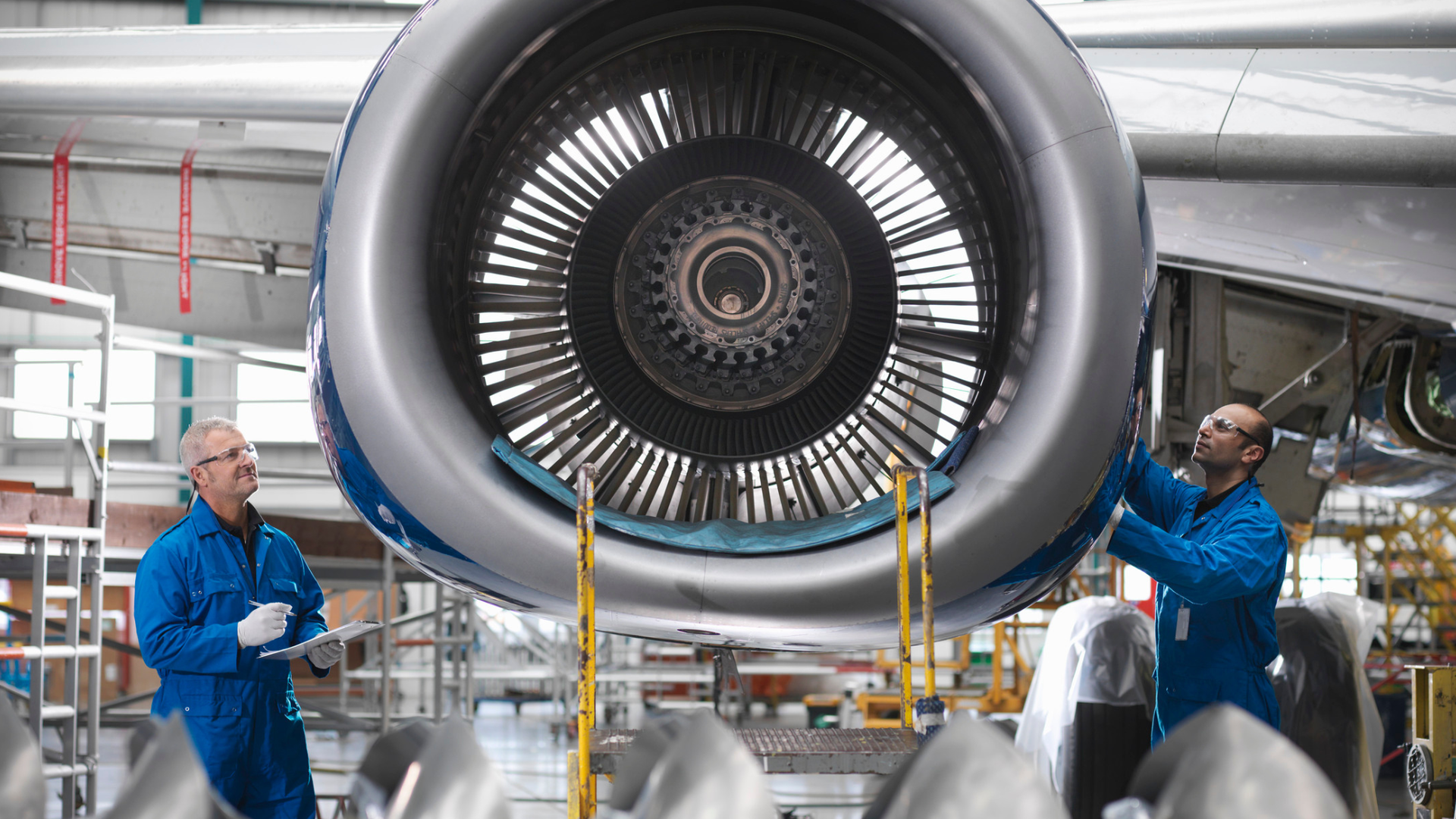
As the global fleet of aircraft ages, an increasing number of retired aircraft are reaching the end of their service life. It is estimated that around 2,000 civil aircraft (excluding military aircraft) are currently grounded and awaiting proper end-of-life treatment, with an additional 250 expected to be retired annually over the next two decades. Though the volume of retired aircraft is smaller than in the automotive sector, the materials and components within these aircraft hold significant value, making their dismantling and recycling a vital industrial process.
Dismantling aircraft at the end of their lifecycle involves recovering valuable materials, such as high-tech aerospace alloys like aluminum and titanium, as well as composite materials. This process not only conserves raw materials but also reduces the environmental footprint of producing new materials. In particular, aluminum recycling is critical due to its significant environmental benefits, such as reducing energy consumption and preserving the material's intrinsic properties.
One of the primary challenges in aircraft recycling is maintaining the quality of retrieved materials, particularly aluminum alloys. Aircraft are constructed from a variety of alloys, and when components are shredded indiscriminately, different alloys are mixed, resulting in lower-quality materials. This mixed aluminum requires additional treatment to restore its mechanical properties, increasing costs and energy consumption. To mitigate this, advanced dismantling strategies focus on disassembly before shredding, which helps sort materials by alloy family and preserve material quality.
Various dismantling and recovery strategies have been proposed to balance cost, efficiency, and material quality. These strategies range from systematic disassembly to shredding, with several intermediate approaches in between. The ultimate goal is to select the most suitable strategy based on factors like material homogeneity, cost, and sustainability.
This strategy aims to fully separate and sort all components based on their material composition. Attachments, such as rivets, are removed and sorted. When the material composition markings are unreadable due to age and corrosion, a portable X-ray fluorescence analyzer (Niton) is used to identify the materials. For accurate detection, paint layers must be partially removed before using the Niton device.
While this strategy ensures the highest-quality material recovery, its high costs make it less viable for industrial-scale applications. Therefore, Strategy A prioritizes quality over quantity.
In contrast, Strategy B involves cutting the aircraft into smaller pieces for transportation to a recycling center, where materials are sorted. However, shredding results in mixed materials (aluminum, titanium, plastics, composites, etc.), which significantly reduces the quality of the recovered materials.
Systematic disassembly offers the highest potential cost and the highest quality of recovered materials, while shredding offers the lowest cost but also the lowest material quality. Neither is ideal for widespread industrial use due to its respective limitations. Instead, intermediate strategies are preferred, utilizing aircraft mapping to identify materials and guide selective disassembly where it is most cost-effective. Intermediate strategies aim to strike a balance between cost and material quality.
To strike a balance between cost efficiency and material quality, several intermediate strategies have been developed that incorporate elements from both systematic disassembly and shredding approaches. These strategies utilize aircraft mapping to guide selective disassembly and cutting, optimizing the recovery of homogeneous materials while reducing labor and processing time.
Smart shredding involves selecting specific zones of the aircraft carcass based on material mapping. The goal is to identify areas with a high concentration of similar materials, allowing for more homogeneous material recovery before shredding.
Gross cutting allows more frequent cuts than smart shredding, using powerful, mobile cutting tools, typically fuel-based. While this approach is faster, it sacrifices precision, resulting in less homogeneous material recovery than Strategy C.
This strategy improves on gross cutting by requiring more precise cuts to enhance material homogeneity. The tools used are typically lighter, more powerful, and electrically powered, enabling better control during cutting.
Detail cutting involves numerous precise cuts with smaller, more accurate pneumatic tools. This strategy allows for unlimited cuts and focuses on maximizing material homogeneity, but it is labor-intensive and time-consuming.
Smart disassembly seeks to address the excessive time and effort associated with Strategy A (Systematic Disassembly) by avoiding the removal of attachments (such as rivets) that connect components made of similar materials. This approach speeds up the disassembly process but compromises the purity of the recovered materials by including these attachments.
This strategy combines the precision of systematic disassembly with the efficiency of detail cutting. A thorough analysis of the aircraft carcass or parts to be recycled is performed to identify homogeneous areas, which are then cut. At the same time, disassembly focuses on heterogeneous regions where components are made of different materials.
These intermediate strategies offer a range of options to optimize the recovery process. From Smart Shredding (Strategy C), which minimizes cuts but preserves material homogeneity, to Disassembly Combined with Cutting (Strategy H), which balances systematic disassembly with targeted cutting, these approaches aim to provide a practical middle ground between cost and material quality. Each strategy is designed to address specific challenges in aircraft recycling, with varying degrees of precision, labor intensity, and efficiency.