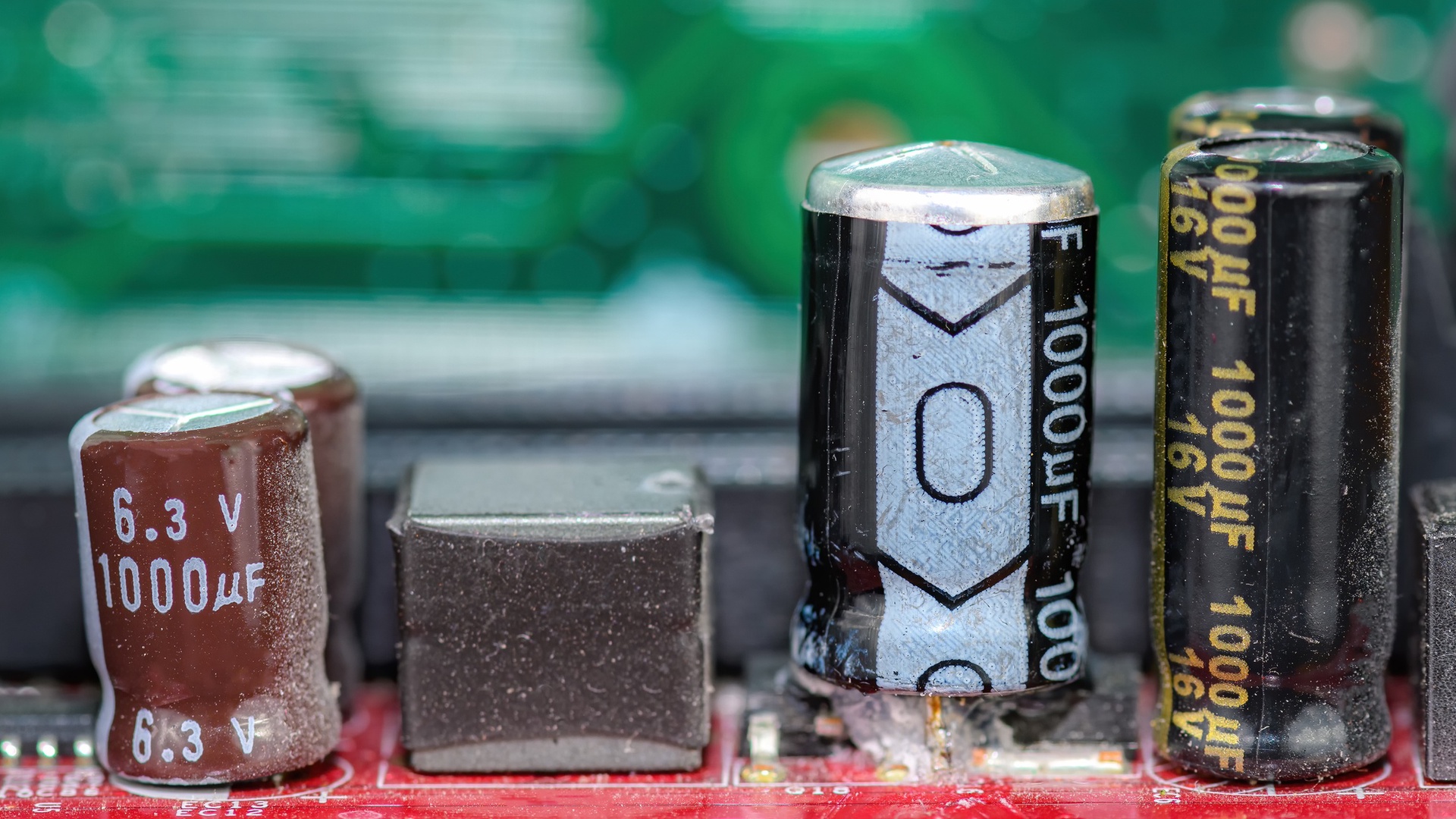
Recycling of Tantalum
Tantalum is a valuable metal with exceptional properties, including resistance to corrosion, a high melting point, and excellent electrical conductivity. It is crucial in modern electronics, aerospace, and automotive industries, with applications ranging from tantalum capacitors in electronic devices to superalloys in jet engines. However, the limited supply of tantalum from mining and the growing demand for its applications emphasize the need for efficient recycling methods to guarantee a sustainable supply.
Sources of Tantalum Scrap
Tantalum scrap primarily comes from two main sources:
- Manufacturing Scrap: This includes off-cuts and waste generated during the production of tantalum components like capacitors and superalloys.
- End-of-Life (EoL) Products: This includes discarded electronic devices containing tantalum capacitors and other tantalum-based components.
The substantial amount of tantalum found in EoL products, particularly in tantalum capacitors, points out the possibility of recycling these materials to recover valuable tantalum.
Challenges in Tantalum Recycling
Recycling tantalum poses several challenges:
- Complex Scrap: Tantalum is often combined with other metals or incorporated into intricate electronic assemblies, complicating the separation and recovery processes.
- Encasement in Resin Mold: Tantalum anodes in capacitors are encompassed by a resin mold that needs to be removed before the tantalum can be retrieved.
- Low Recycling Rates: Despite the high tantalum content in capacitors, recycling rates remain low, primarily due to processing complexities and the comparatively lower concentration of tantalum in waste printed circuit boards (WPCBs).
Recycling Techniques
Several methods have been developed to recover tantalum from scrap materials, each offering distinct advantages and limitations.
High-Temperature Oxidation
High-temperature oxidation involves heating tantalum capacitors to decompose the mold resin and liberate the tantalum. This process, depicted in Figure 1, typically requires temperatures of 700°C to 1,200°C.
- - Advantages: Effective for removing mold resin and recovering tantalum.
- - Limitations: High energy consumption, production of hazardous by-products, and the need for extensive post-processing to purify the tantalum.
Ionic Liquid Extraction
Ionic liquids (ILs) and task-specific ionic liquids (TSILs) are solvents that can selectively extract tantalum from leach solutions. These methods involve leaching the tantalum from capacitors with acid and then using ILs or TSILs to separate the tantalum from other metals. The process is illustrated in Figure 2.
- - Advantages: High selectivity and efficiency in separating tantalum.
- - Limitations: High cost of ILs and TSILs, which affects the economic feasibility of the process.
Steam Gasification
Steam gasification with sodium hydroxide offers a novel approach to tantalum recovery by decomposing mold resin and recovering tantalum under controlled conditions. The process involves heating the capacitor in molten sodium hydroxide, as shown in Figure 3.
- Advantages: Lower temperature and pressure requirements compared to high-temperature oxidation; it captures hazardous halogen gases.
- Limitations: Complexity of the process, generation of hazardous by-products, and need for further treatment of the resulting gases.
Physical Separation and Heat Treatment
Physical separation, followed by heat treatment, involves heating tantalum capacitors to separate the tantalum from the mold resin and other materials. The process, detailed in Figure 4, involves initial heating to 723 K to collapse silica and subsequent heating to 823–873 K to extract tantalum oxide.
- - Advantages: Simpler process with reduced chemical use.
- - Limitations: High energy consumption and additional refining needed to achieve desired purity.
Pyrolysis
Pyrolysis involves heating the tantalum capacitors in an inert atmosphere to decompose the mold resin and recover tantalum. The process, as depicted in Figure 5, generates oil, gas, and solid residue. Variations include argon pyrolysis and vacuum pyrolysis.
- - Advantages: Effective decomposition of organics, recycling of by-products, and reduced environmental impact.
- - Limitations: High operational expenses, especially with argon, and the need for further processing to purify tantalum.
Supercritical Water Treatment (SCWT)
Supercritical water treatment uses water at supercritical conditions to decompose organic materials in capacitors. The process involves SCW oxidation (SCWO) and SCW depolymerization (SCWD), as illustrated in Figure 6.
- - Advantages: High efficiency in decomposing mold resin, with SCWO offering the highest decomposition rate.
- - Limitations: High operational expenses, complexity of the process, and need for further processing of residues.
Future Prospects
The prospects for tantalum recycling appear favorable due to continuous technological advancements. Key focus areas for progress include:
- Enhanced Recycling Efficiency: Innovations in methods for the extraction of tightly bonded mold resin and the recovery of high-purity tantalum.
- Cost-Effective Approaches: The exploration of more economical solutions for recycling processes, including improved ionic liquids (ILs) or environmentally friendly alternatives to current methods.
- Improved Recycling Rates: The adoption of new technologies and processes capable of handling a wider variety of tantalum-containing waste.
Conclusion
Reclaiming tantalum from recycled materials plays a crucial role in meeting the increasing demand for this valuable metal and reducing the environmental effects linked to mining. Various recycling methods have been investigated, each presenting unique advantages and disadvantages. Among these methods, pyrolysis is currently recognized as a prominent approach due to its effectiveness and environmental benefits. Continuous research and technological progress will play a vital role in improving recycling procedures and guaranteeing a stable tantalum supply in the years ahead.
Cole Morace
References:
- Mineta, K., & Okabe, T. H. (2005). Development of a recycling process for tantalum from capacitor scraps. Journal of Physics and Chemistry of Solids, 66(2-4), 318-321.
- Ueberschaar, M., Dariusch Jalalpoor, D., Korf, N., & Rotter, V. S. (2017). Potentials and barriers for tantalum recovery from waste electric and electronic equipment. Journal of Industrial Ecology, 21(3), 700-714.
- Spitczok von Brisinski, L., Goldmann, D., & Endres, F. (2014). Recovery of metals from tantalum capacitors with ionic liquids. Chemie Ingenieur Technik, 86(1‐2), 196-199.
- Katano, S., Wajima, T., & Nakagome, H. (2014). Recovery of tantalum sintered compact from used tantalum condenser using steam gasification with sodium hydroxide. APCBEE procedia, 10, 182-186.
- Fujita, T., Ono, H., Dodbiba, G., & Yamaguchi, K. (2014). Evaluation of a recycling process for printed circuit board by physical separation and heat treatment. Waste management, 34(7), 1264-1273.
- Niu, B., Chen, Z., & Xu, Z. (2017). An integrated and environmental-friendly technology for recovering valuable materials from waste tantalum capacitors. Journal of Cleaner Production, 166, 512-518.