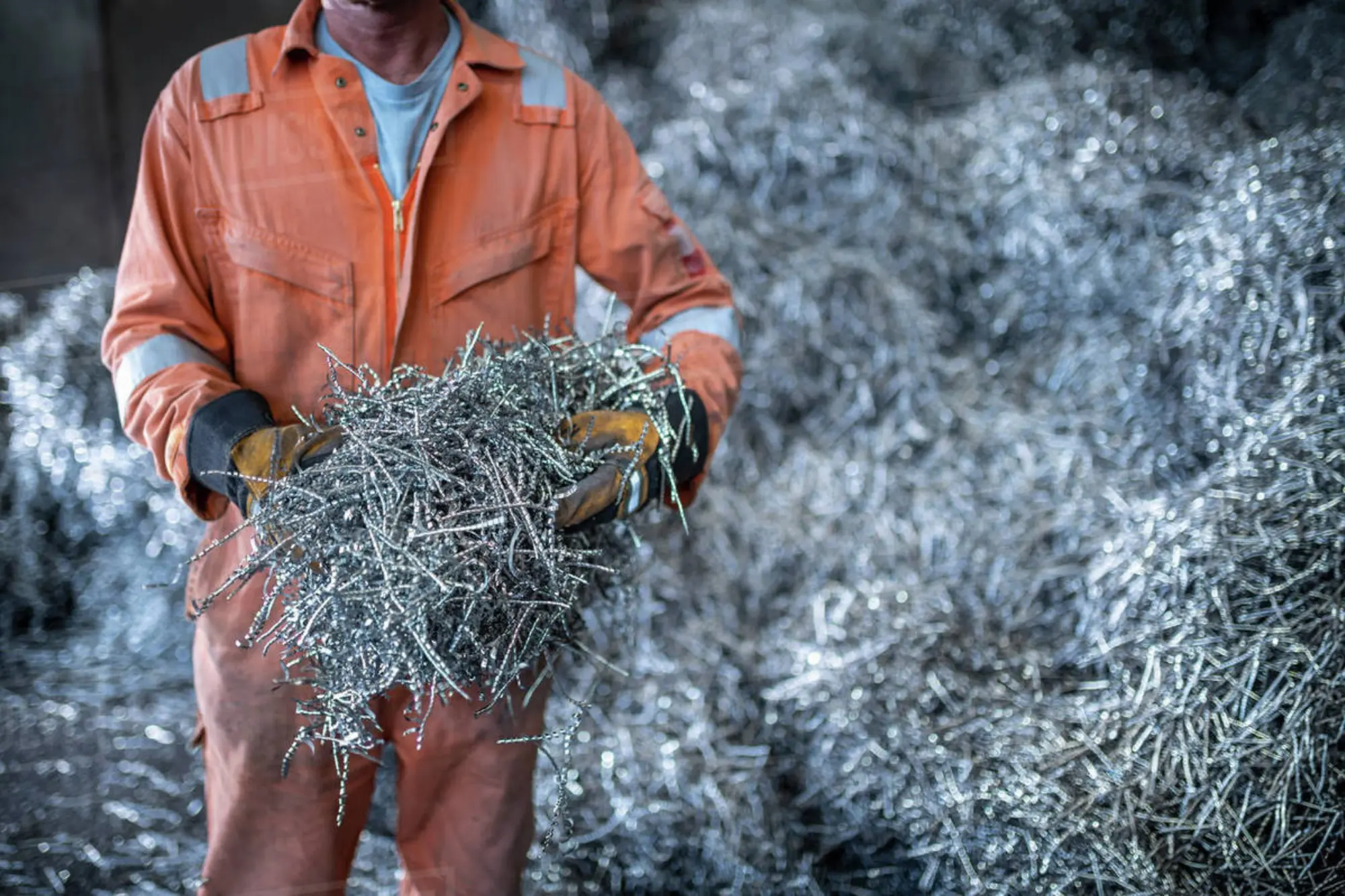
Project Vault is a major initiative to eliminate vulnerabilities in key U.S. supply chains, particularly those tied to China, which currently dominates global rare-earth processing. Rare earth elements and critical minerals are essential to the production of everything from smartphones and semiconductors to electric vehicles and missile defense systems.
Beijing’s recent tightening of export controls on vital raw materials like gallium and graphite highlighted the urgency of reducing dependency. This move created production delays and constraints for many American manufacturers, demonstrating the strategic leverage China holds over global mineral flows.
The $12 billion initiative is being funded through a blend of public and private capital. The U.S. Export-Import Bank (Ex-Im) is expected to authorize a record-setting $10 billion loan for the project, doubling its largest transaction to date. In comparison, $1.67 billion will come from private investors.
Project Vault is designed not just as a stockpile but as a strategic marketplace. Companies that commit to the program will specify the critical materials they need and, in return for upfront fees and purchase commitments, gain stabilized access to those supplies. The federal program will manage procurement, storage, and distribution, charging participants a carrying cost that reflects the holding and interest expenses.
The program has already attracted participation from major industrial titans such as General Motors, Boeing, Stellantis, Corning, GE Vernova, and Google. On the trading side, firms like Hartree Partners, Traxys North America, and Mercuria Energy Group will manage the acquisition and storage of materials.
Unlike the U.S. defense-focused National Defense Stockpile, Project Vault targets the civilian sector, which includes automotive, aerospace, and technology companies. It will cover a range of critical minerals, such as:
These are indispensable for manufacturing batteries, jet engines, solar panels, smartphones, and electronic components.
Crucially, manufacturers will have access to their allocated materials to help weather temporary shortages and price spikes. In the case of a major disruption, they may draw down their entire allocation, provided they later replenish it to maintain stability in the reserve.
Markets responded swiftly to the news. Shares of rare earth and critical mineral companies USA Rare Earth Inc., NioCorp Developments Ltd., Critical Metals Corp., and United States Antimony Corp. jumped in premarket trading upon early reporting of Project Vault.
According to senior officials, investor interest has far exceeded expectations. The program’s creditworthiness, structured repayment plans, and participation by high-profile manufacturers have created a strong appeal for private investors seeking exposure to the fast-growing critical minerals sector.
Project Vault comes as part of a broader international strategy. The administration has already signed mineral cooperation agreements with allies, including Australia, Japan, and Malaysia, aiming to diversify supply beyond Chinese influence. These diplomatic efforts will be featured prominently at a multinational summit in Washington this week, where dozens of countries are expected to discuss joint strategies for mineral security and sustainable extraction.
The launch of Project Vault coincides with dramatic movement in global metals markets. On January 30, 2026, gold and silver prices plummeted in their largest one-day declines since the 1980s. Gold dropped below $4,800 per ounce, while silver futures fell over 13%. ETFs such as iShares Silver Trust (SLV) and SPDR Gold Trust (GLD) experienced multi-day retreats, reflecting investor anxiety.
Trump’s nomination of Kevin Warsh as the next Federal Reserve chair partly fueled the slide. Warsh, known for his hawkish monetary stance, prompted concern that tighter monetary policy would strengthen the U.S. dollar and weaken commodity prices. Still, some analysts see a longer-term bullish trend. Goldman Sachs recently raised its year-end gold forecast to $5,400, citing robust private-sector interest. However, as export-driven de-dollarization trends and geopolitical tensions ease, metals may find fewer tailwinds than in 2025.
The strategic importance of critical minerals is now on par with oil, shaping national security, trade, and economic growth. By shifting from reliance to resilience, Project Vault represents a significant realignment in U.S. industrial policy.
Manufacturers across technology, defense, and energy sectors will benefit from price stability and secure access to these indispensable resources. In turn, Project Vault is expected to stimulate investments not only in domestic mining and refining but also in clean energy, electrification, and high-tech manufacturing. As Trump meets with key stakeholders like GM’s Mary Barra and mining tycoon Robert Friedland this week, the message is clear: the era of depending on rivals for critical materials is over. The United States is staking its claim in the global race for mineral sovereignty, and Project Vault is just the beginning. By protecting U.S. industry from supply shocks and promoting homegrown resilience, Project Vault marks a pivotal shift in how America views both economic independence and national security in the evolving global competition landscape.