Indium, a critical metal widely used in touchscreens, advanced semiconductors, and solar technologies, has reached its highest price in over a decade, sending shockwaves through the niche but strategically vital global market. Priced around $500 to $600 per kilogram in Rotterdam, indium prices have soared more than 55% since September 2025, according to market sources. The dramatic rise has been attributed to speculative trading on a Chinese exchange and to growing concerns about tightening global supply.
Much of this price action stems from speculative investor behavior in China’s Zhonglianjin exchange, where expectations of constrained supply and rising demand have fueled a frenzy in indium futures trading. Meanwhile, actual supply from primary producers, most notably China and South Korea, has been tightening, further supporting the bullish price trend.
China continues to dominate the global supply chain for indium, accounting for about 70% of global refined production in 2024, according to the U.S. Geological Survey (USGS). In December alone, Chinese exports of unwrought indium declined by more than 23% to 22.72 metric tons, raising concerns about looming shortages.
The nation’s role in indium production is deeply rooted in its commanding position in zinc processing. Indium is not mined directly but is primarily extracted as a byproduct of zinc smelting, a process that is heavily concentrated in China. However, rising environmental protection standards in the country have further tightened availability. “The tight supply of crude indium is a long-standing structural issue, exacerbated by China's increasingly stringent environmental protection policies,” said Cristina Belda, senior analyst at Argus. South Korea, the second-largest producer, accounting for roughly 17% of global output, has also experienced supply constraints in the spot market. Korea Zinc, a significant exporter offering 90–100 metric tons of indium annually, reported stable production levels but no additional availability to ease current spot market stress.
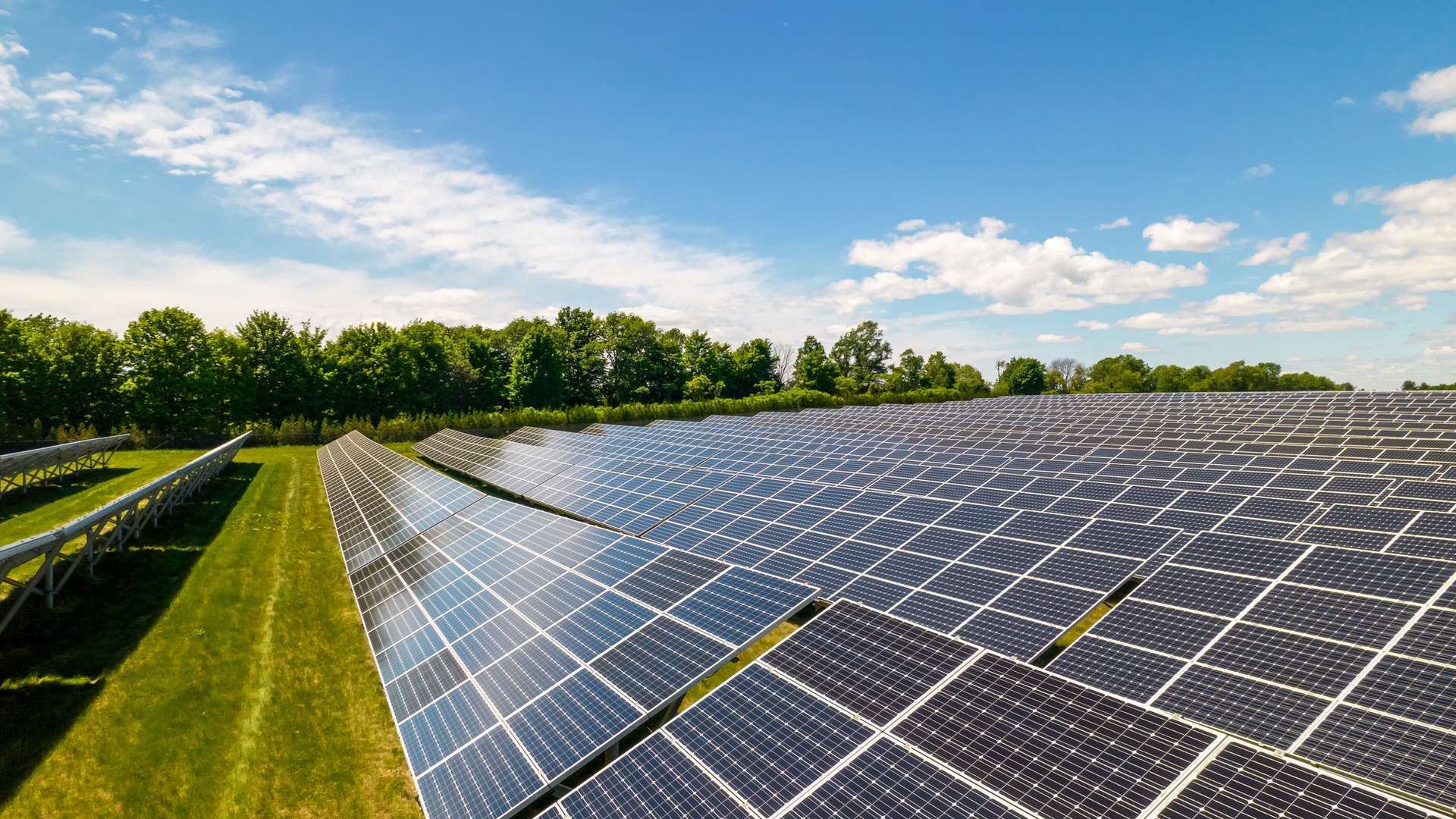
Adding pressure to an already strained supply, demand for indium is rapidly climbing due to its critical role in emerging technologies. The metal is essential in manufacturing indium tin oxide (ITO) coatings used in flat displays, solar panels, and high-speed photonics. As clean energy technologies gain momentum globally, indium’s utility in high-efficiency solar cells and next-generation semiconductors continues to rise.
The U.S. Defense Logistics Agency recently issued a solicitation for high-purity indium ingots worth up to $125 million, signaling the metal’s growing security and strategic significance. Meanwhile, fifth-generation (5G) communications systems and artificial intelligence (AI) are fueling increased demand for indium phosphide (InP) substrates. InP-based semiconductors offer faster speeds and lower energy loss, making them indispensable for fiber-optic communications, laser diodes, and data centers.
Despite the price surge, levels remain below the historic peak of 2010, when indium traded between $750 and $800 per kilogram, according to LSEG data. Those previously high prices spurred research into material substitutes. Alternatives like antimony tin oxide, graphene, and nanowires have been studied for replacing ITO in various applications. However, analysts note that substitution becomes economically viable only if high prices persist over time.” Considering the extraction of zinc, China controls most of its processing. In the coming years, a steady increase in indium prices is expected, because supply is inelastic,” said Julia Khandoshko, CEO of European broker Mind Money. “It is a critical raw material whose consumption is only increasing, and supply is not keeping pace.”
The United States does not produce indium domestically and relies entirely on imports to meet its demand. In 2024, estimated refined indium consumption in the U.S. was 250 metric tons, valued at approximately $85 million at average prices. Imports primarily come from South Korea (29%), Japan (18%), and Canada (14%), but the U.S. has increasingly relied on China, which accounted for 25% of imports by September 2024.
U.S. prices have mirrored the global trend. According to Argus Non-Ferrous Markets, the U.S. warehouse price for indium surged from $265/kg in January 2024 to $420/kg by June, eventually climbing to $500–$600/kg in Rotterdam by early 2026. Complicating U.S. sourcing, in September 2024, new 25% tariffs were imposed on critical minerals from China, including indium, under Section 301 of the Trade Act. These tariffs, aimed at addressing China’s policies on technology transfer and intellectual property, could further constrain supply and elevate costs for American industries dependent on indium.
In Western markets, interest in securing alternative supply chains is growing. A Utah-based zinc-copper-silver-indium project received full permitting for shaft construction in mid-2024, and an indium phosphide wafer manufacturing facility in California resumed production under new ownership. Kazakhstan has also announced plans to open previously restricted rare-metal deposits, including indium, to attract foreign investment.
Market experts caution that while current speculation is amplifying price volatility, underlying physical fundamentals remain firm. Demand is expected to continue rising, driven by clean energy, high-speed computing, and defense needs, all of which depend on indium. Still, as prices approach historical highs, end users and governments are revisiting the feasibility of substitutes and recycling. Indium recycling is limited and primarily occurs in countries like Japan and South Korea, with little available data on scrap recovery in the U.S.
Indium, once an obscure element best known to materials scientists, is reemerging as a critical strategic resource amid the digital and clean energy revolutions. With prices at their highest in over a decade, governments and companies are racing to secure stable supplies, mitigate speculative volatility, and advance sustainable alternatives. Whether through new production ventures, recycling, or material substitution, the hunt for indium resilience has begun in earnest.