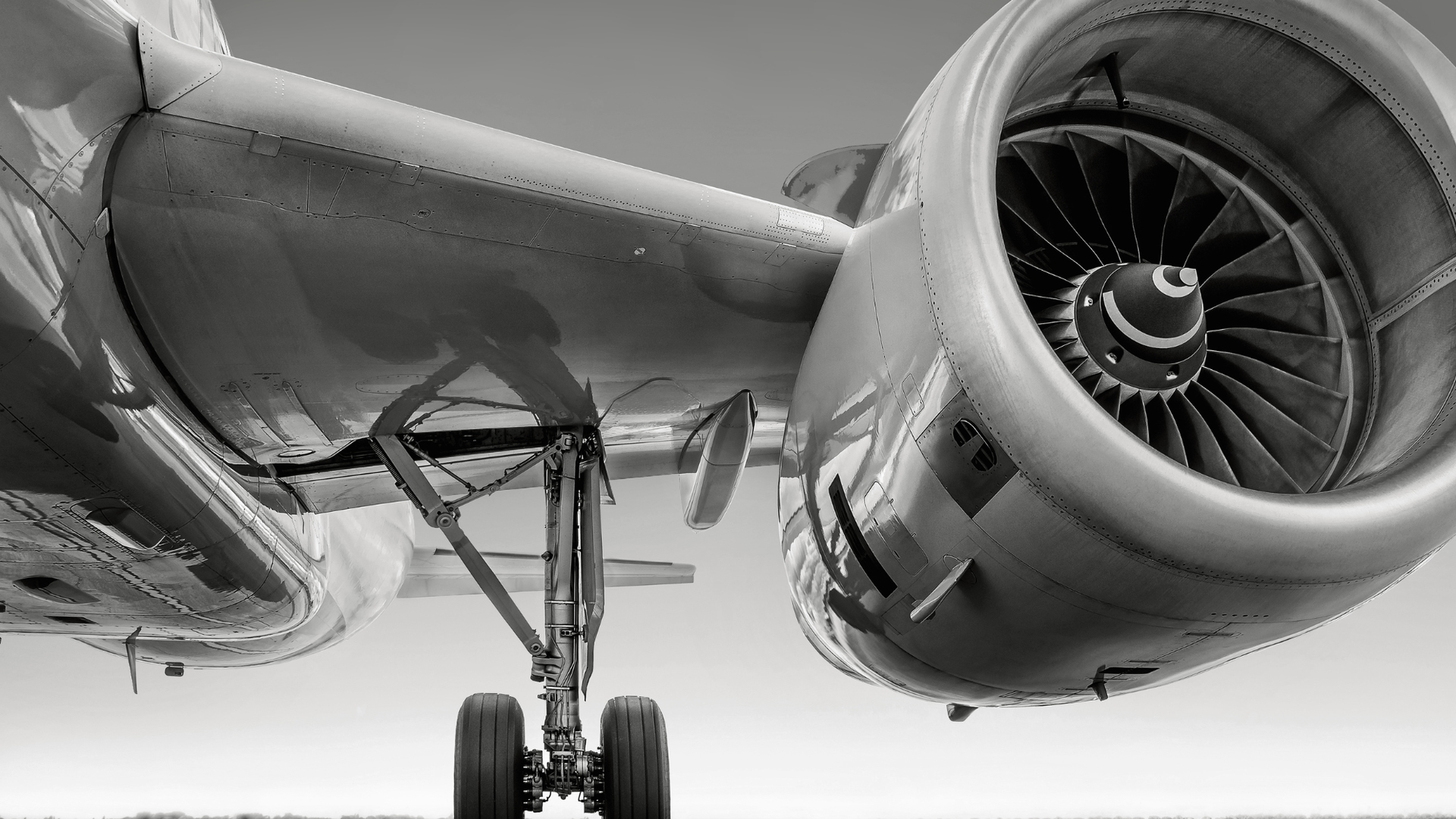
As the aviation industry continues to evolve, airlines face critical decisions regarding the lifecycle management of their aircraft. As pressure mounts to adopt sustainable practices, the importance of deciding whether to recycle parts or replace them with new components has never been greater. This article explores the factors influencing these decisions, the processes involved in recycling, and the broader implications for the aviation industry.
Factors Influencing Decisions on Recycling vs. Replacement
1. Economic Considerations
Cost-Benefit Analysis
Airlines conduct a detailed cost-benefit analysis when determining whether to recycle or replace aircraft parts. This analysis includes evaluating:
- Initial Costs: New parts can be significantly pricier than reclaimed components. Airlines often weigh the immediate costs against long-term benefits.
- Operational Expenses: The total cost of ownership includes not just the purchase price but also maintenance, downtime, and performance. Reclaimed parts that are in good condition can reduce operational expenses.
Market Demand
The demand for specific aircraft parts in the secondary market plays a crucial role in decision-making:
- High-Demand Components: Parts that are commonly needed for maintenance or repair, such as engines or avionics, may be prioritized for recycling due to their market value.
- Niche Markets: Some components may have limited demand but can still be valuable in specialized markets. Airlines often research these niches before making a decision.
Residual Value
Airlines assess the residual value of aircraft and their components:
- Valuable Parts: Components that retain significant value are more likely to be recycled rather than discarded. For example, engines can often be refurbished and sold at a high price.
- Depreciation: Understanding how quickly parts depreciate helps airlines decide whether it’s worth investing in recycling or if replacement is more economical.
2. Safety and Compliance Standards
Regulatory Requirements
Safety is paramount in aviation, and airlines must adhere to stringent regulations:
- FAA Regulations: In the United States, the Federal Aviation Administration (FAA) has strict guidelines regarding the use of reclaimed parts. Airlines must ensure that any recycled components meet safety standards before they can be reused.
- International Standards: Similar regulations exist globally, requiring airlines to comply with international aviation safety standards when considering part reclamation.
Manufacturer Guidelines
Aircraft manufacturers provide specific guidelines regarding which parts can be safely reused or recycled:
- Certification Processes: Parts that are reclaimed must undergo rigorous testing and certification processes to ensure they meet safety standards.
- Manufacturer Support: Some manufacturers offer support for airlines looking to recycle parts, helping to determine which components are best suited for reclamation.
3. Environmental Impact
Sustainability Initiatives
With growing awareness of environmental issues, airlines are increasingly focusing on sustainability:
- Corporate Social Responsibility (CSR): Many airlines have adopted CSR policies that prioritize sustainable practices, including recycling and waste reduction.
- Public Perception: Airlines recognize that consumers are becoming more environmentally conscious. Demonstrating commitment to sustainability through recycling initiatives can enhance brand reputation.
Lifecycle Assessment
Airlines conduct lifecycle assessments to evaluate the environmental impact of both recycling and replacing parts:
- Resource Conservation: Recycling conserves natural resources by reducing the need for new raw materials, which aligns with sustainability goals.
- Waste Reduction: By recycling components, airlines can significantly reduce waste sent to landfills, contributing to a more circular economy.
4. Condition and Usability of Parts
Inspection and Testing
Before deciding on recycling, airlines perform thorough inspections and testing of aircraft components:
- Condition Assessment: Components are evaluated based on their physical condition, wear and tear, and overall usability. Parts that show signs of significant degradation may be deemed unsuitable for reuse.
- Testing Protocols: Rigorous testing protocols ensure that reclaimed parts meet safety and performance standards before being reintroduced into service.
Technological Advancements
Modern aircraft are often constructed from advanced materials that complicate recycling processes:
- Composite Materials: Many newer aircraft use composite materials that are challenging to recycle. Airlines must consider whether these materials can be effectively processed or if replacement is necessary.
- Innovation in Recycling Technologies: Advances in technology may provide new opportunities for recycling previously challenging materials, influencing future decisions on part reclamation.
The Aircraft Recycling Process
When an airline decides to recycle parts, several key steps are involved in the process:
1. Decommissioning
- Once an aircraft is retired from service, it is sent to a specialized dismantling facility:
- Preparation for Dismantling: The aircraft undergoes an initial assessment to determine its condition and potential for part reclamation.
2. Depollution
This step involves removing toxic substances and fluids from the aircraft:
- Hazardous Material Removal: Fluids such as fuel, oil, and hydraulic fluids must be drained safely to prevent environmental contamination.
- Compliance with Regulations: Depollution must adhere to environmental regulations to ensure safe handling of hazardous materials like lead and asbestos found in older aircraft.
3. Parts Removal
Valuable components are extracted for refurbishment or resale as Used Serviceable Material (USM):
- Careful Extraction: Skilled technicians carefully remove parts such as engines, landing gear, avionics systems, and other valuable components.
- Documentation: Each part is documented for traceability and compliance with safety regulations before being sold or reused.
4. Material Recovery
After valuable parts have been removed, the remaining structure of the aircraft is dismantled:
- Metal Recovery: Metals like aluminum and titanium are shredded and sorted for recycling. This process reduces waste while reclaiming valuable resources.
- Non-Metal Materials: Non-metal materials such as plastics and composites are processed separately; however, their recycling rates may vary based on market demand and technological capabilities.
5. Final Disposal
Any remaining materials that cannot be recycled are disposed of responsibly:
- Responsible Disposal Practices: Airlines must ensure that any unusable materials are disposed of in compliance with environmental regulations to minimize ecological impact.
Best Practices for Aircraft Recycling
Organizations like the Aircraft Fleet Recycling Association (AFRA) provide guidelines that help airlines make informed decisions about recycling:
1. Best Management Practices (BMP)
AFRA’s BMP outlines standards for environmentally responsible disassembly and recycling of aircraft materials:
- Environmental Standards: These practices ensure that airlines follow safe and efficient processes during dismantling operations.
2. Accredited Facilities
Airlines are encouraged to work with AFRA-accredited facilities:
- Quality Assurance: Accredited facilities have been independently audited for their expertise in managing end-of-life aircraft responsibly.
3. Training and Compliance
Ensuring that staff are well-trained in dismantling practices is crucial for maximizing resource recovery and minimizing risks associated with hazardous materials.
- Continuous Education: Ongoing training programs help staff stay updated on best practices in aircraft recycling and compliance requirements.
Conclusion
The decision-making process regarding which parts airlines choose to recycle versus replace is multifaceted, involving economic evaluations, safety compliance, environmental considerations, and assessments of component condition. As sustainability becomes increasingly important within the aviation industry, effective recycling practices will play a pivotal role in reducing waste and conserving resources. By adhering to established guidelines and leveraging market opportunities, airlines can enhance operational efficiency while contributing positively to environmental stewardship in aviation.
As technology continues to advance and regulatory frameworks evolve, it is likely that we will see further innovations in aircraft recycling methodologies—ultimately leading towards a more sustainable future for aviation as a whole. Embracing these practices not only benefits individual airlines but also supports broader efforts toward sustainability within the global aviation ecosystem.
Cole Morace