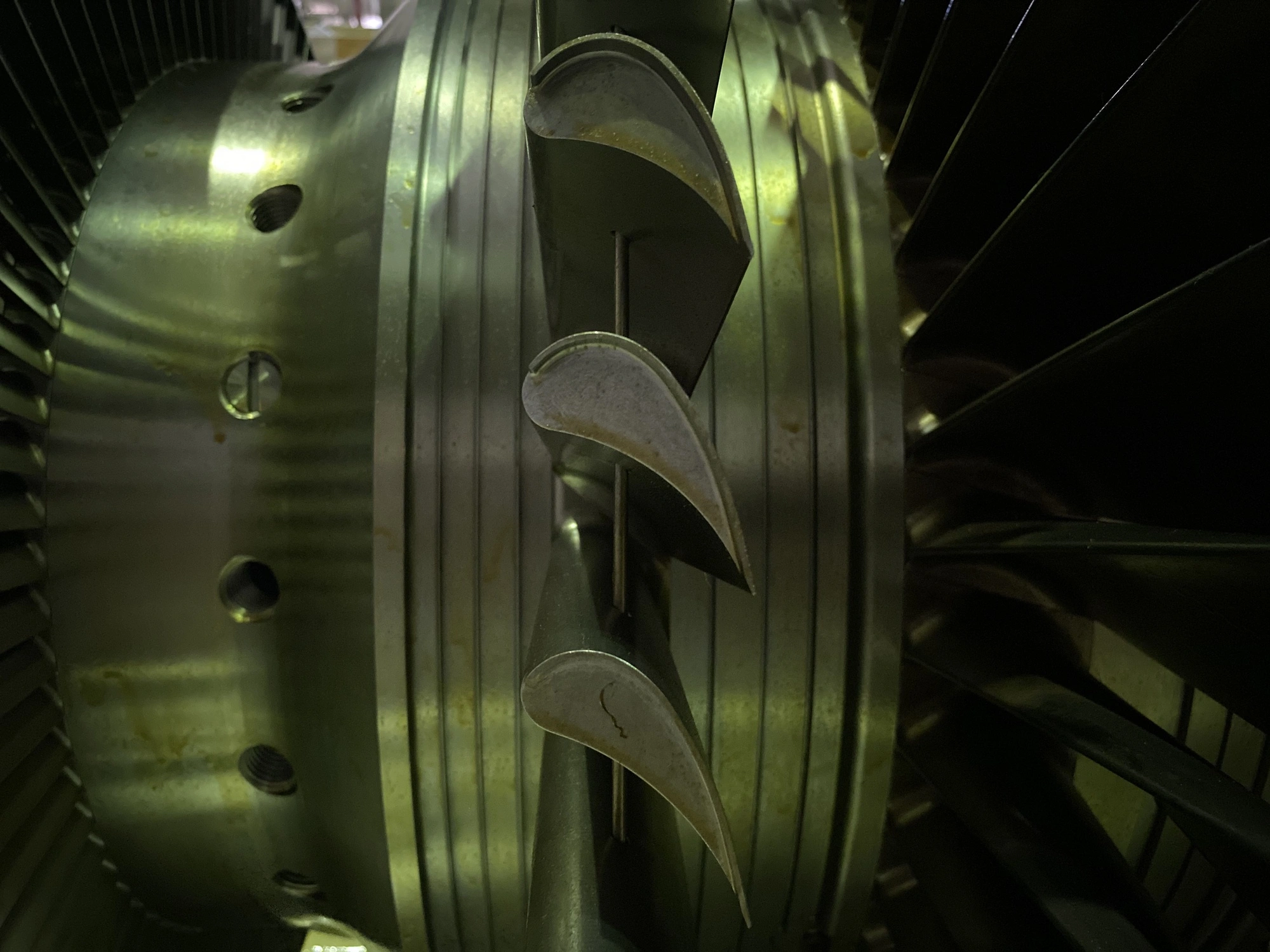
The titanium industry operates within a sophisticated, highly engineered ecosystem where scrap is not a byproduct to be discarded, but rather a vital feedstock that fuels the production process. Central to this ecosystem is a fundamental distinction between two principal forms of titanium scrap: home scrap and purchased scrap. Recognizing how each is generated, processed, valued, and reintroduced into the supply chain reveals not only the economic logic of the industry but also its strategic vulnerabilities and technological frontiers.
Scrap generation begins with the inherent inefficiency of titanium manufacturing, driven by the subtractive nature of component design. In the aerospace sector, the dominant consumer of high-grade titanium, the disparity between starting material and final part has led to the development of the “buy-to-fly” ratio. This ratio, often as high as 10:1, illustrates the volume of material purchased versus what ultimately ends up flying in an aircraft. For major structural parts such as the main wing box of a Boeing 787, the utilization rate can be as low as 10–15%. Although the aircraft contains around 12 tons of titanium components, approximately 100 tons of titanium scrap are generated to produce them.
This massive reclaimable flow begins at the mill stage. Losses occur immediately during ingot casting and plate rolling, where heads, toes, and side trims are cropped to remove defects. These are followed by forging and CNC machining steps, at which high surface area "turnings" or "swarf" are created. These machining scraps are prone to contamination by oils, moisture, and tool residues, which complicate remelting. The form chunky, solid, or feathery chip dictates both processing complexity and end value.
The energy rationale for recycling this scrap is compelling. Producing virgin titanium using the Kroll process is extraordinarily energy-intensive, involving high-temperature reduction and vacuum distillation. Recycling scrap, by contrast, requires as much as 95% less energy than virgin sponge production. This energy delta creates the economic space that supports the broader scrap brokerage and remelting sector. Each pound of reused titanium avoids a significant carbon and energy footprint.
Within an integrated titanium mill, one that conducts melting, forging, and rolling internally generated revert scrap is strategically valuable. This “home” scrap never leaves the facility, and thus retains its pedigree: the identity, chemistry, and traceability associated with its source heat remain intact. The material is segregated, tracked, and, when needed, reintroduced into the melting process without risk of foreign contamination. This in-house integrity eliminates re-analysis costs and prevents the inadvertent introduction of rogue materials that could compromise the resulting alloy. The use of home scrap thus serves not just economic interests, but also mitigates technical and safety risks, the latter being an essential concern in aerospace-grade applications.
However, the ability to endlessly recycle home revert is curtailed by the unique metallurgy of titanium. Because titanium draws in interstitial elements like oxygen during every heat and mechanical operation, the scrap accumulates oxygen with each cycle. Excess oxygen degrades ductility, eventually pushing the alloy beyond specifications required for aerospace applications. This cumulative oxygen effect necessitates blending home scrap with fresh sponge or low-oxygen master alloys to dilute impurity levels and maintain metal quality. As a result, even the cleanest home scrap cannot indefinitely substitute for virgin input, ensuring that there will always be a demand for high-purity feedstock.
When a facility cannot fully consume its revert, or when scrap is generated outside the confines of a melt-capable operation like a machine shop or airframe assembly line, it enters the open market as “purchased” scrap. This stream represents a far more complex and variable supply chain. It includes high-quality new industrial turnings from aerospace part manufacturers, along with more uncertain streams such as old scrap from decommissioned aircraft or chemical plants. In the United States and Europe, aerospace manufacturing hubs like Wichita or Toulouse are rich sources of this material, forming valuable regional reservoirs that are recycled back into the global supply chain.
To bridge the logistical and financial fragmentation of this outside world, scrap brokers play a pivotal role. Brokers aggregate scrap from multiple small producers, handle transport and logistics, and manage financial intermediation between cash-strapped suppliers and large mills. Furthermore, they perform price discovery in a volatile marketplace and coordinate the specification and certification of various scrap grades.
Purchased titanium scrap is delineated by a clear market hierarchy. The cleanest, most traceable scrap is known as Vacuum Grade or “Rotorgrade,” which can be used in critical rotating parts such as jet engine disks. Below this is Utility Grade, which is less pristine and might only be suitable for non-critical airframe or industrial components. The dirtiest stream is Ferrotitanium Grade, which is saturated with lubricants or mixed with incompatible metals; this is generally sold for use in steel production, effectively downcycling the metal.
To support global trade, industry organizations like ISRI (rebranded as the Recycled Materials Industry or ReMA) publish detailed specification guides. These standards ensure that buyers and sellers speak a common technical language, such as “Clean Dry Ti-6Al-4V Turnings” with maximum oxygen or iron limits. Since contamination risks are high, many facilities require third-party verification or extensive pre-processing before a shipment is deemed "ready to melt."
The transformation of purchased scrap from a problematic waste stream to a reliable input is enabled by high-tech processing. The “chip line” is a comprehensive set of decontamination steps that include crushing long turnings into manageable sizes, washing off cutting fluids, and using magnetic separation to extract ferrous contaminants. Sophisticated detection systems, including X-ray imaging, are used to spot and remove high-density inclusions like tungsten carbide tool fragments.
Controlling inclusions is essential because their presence can fatally compromise the structural integrity of a titanium ingot. Tungsten carbide has a much higher density than titanium, and in conventional melting systems can sink into the base of an electrode without fully dissolving. If such High-Density Inclusions (HDIs) are not filtered out, they remain as brittle seeds in the final part, potentially leading to catastrophic fatigue failures. Hard Alpha inclusions, formed by oxygen or nitrogen contamination, pose a similar threat.
Melting technology determines how much and what type of scrap can be safely reused. Vacuum Arc Remelting (VAR), the industry standard for critical aerospace parts, does not clean the scrap but rather reproduces its internal chemistry and defects. Because VAR lacks a mechanism to eliminate contaminants, it typically relies on home scrap or very high-pedigree purchased feedstock.
Cold hearth melting technologies like Electron Beam Cold Hearth Melting (EBCHM) or Plasma Arc Melting (PAM) have revolutionized scrap utilization. These systems melt titanium on a water-cooled copper hearth, allowing heavy inclusions to settle and light contaminants to float or evaporate. EBCHM uses a strong vacuum to assist in removing volatile impurities and densifying the final ingot. PAM, by contrast, operates under inert gas. While this slightly limits the removal of volatiles, it helps preserve alloy composition, particularly for elements with high vapor pressures like aluminum. These systems enable the use of dirtier, less traceable purchased scrap, allowing mills to exploit market arbitrages.
Economically, scrap's value is largely determined by its discount to titanium sponge, the virgin input material. When sponge trades at $10 per kilogram, clean commercial scrap may fetch $3.50–$4.00. This price spread finances not only the scrap processor’s margin but also the costly logistics, decontamination, and melting steps required to reincorporate scrap into the supply chain.
Home scrap also functions as a financial buffer. When sponge prices spike or import supplies are disrupted, mills can draw on reserve inventories to shield their operations from market volatility. The aerospace industry's demand cycles add complexity to this dynamic. When aircraft manufacturers increase build rates, they drive up the demand for mill products and, inversely, massively increase scrap generation through machining. This paradoxical “scrap surge” can temporarily flood the market, depress scrap prices, and make it even more attractive to consume in advanced melt shops.
Strategically, reliance on scrap has national security ramifications. The U.S. and EU lack substantial sponge production capacity, leaving Western aerospace industries vulnerable to primary supply disruptions from China, Russia, and Kazakhstan. However, Western precision aerospace machining centers generate some of the world's highest-quality titanium scrap. This represents an indigenous resource that could offset foreign dependency if technical means to process it, such as domestic EBCHM and PAM facilities, are available.
Emerging industry innovations may reconfigure this landscape. Additive manufacturing introduces new classes of scrap, particularly reactive titanium powders, which require closed-loop recovery systems. Similarly, closed-loop agreements between aerospace OEMs and titanium mills are blurring the line between home and purchased scrap by locking material within a controlled exchange network to ensure traceability. In the long term, breakthroughs in deoxidation technologies, such as electrochemical reduction, could fundamentally redraw the boundaries of titanium recycling, allowing the infinite recovery of oxygen-rich scrap without downgrading its application.
In conclusion, the titanium scrap market is more than a salvage operation; it is an intricate system where thermodynamics, metallurgy, logistics, and geopolitics all converge. Home scrap serves as an efficient, low-risk engine for internal operations, while purchased scrap offers scale, greater economic leverage, and increasingly the opportunity for strategic independence. Through technological innovation and supply chain coordination, the industry is steadily dissolving the barriers between the two. The future of titanium lies in reducing waste, not by producing less scrap, but by ensuring every ounce of titanium, however it is generated, finds a way back into flight.