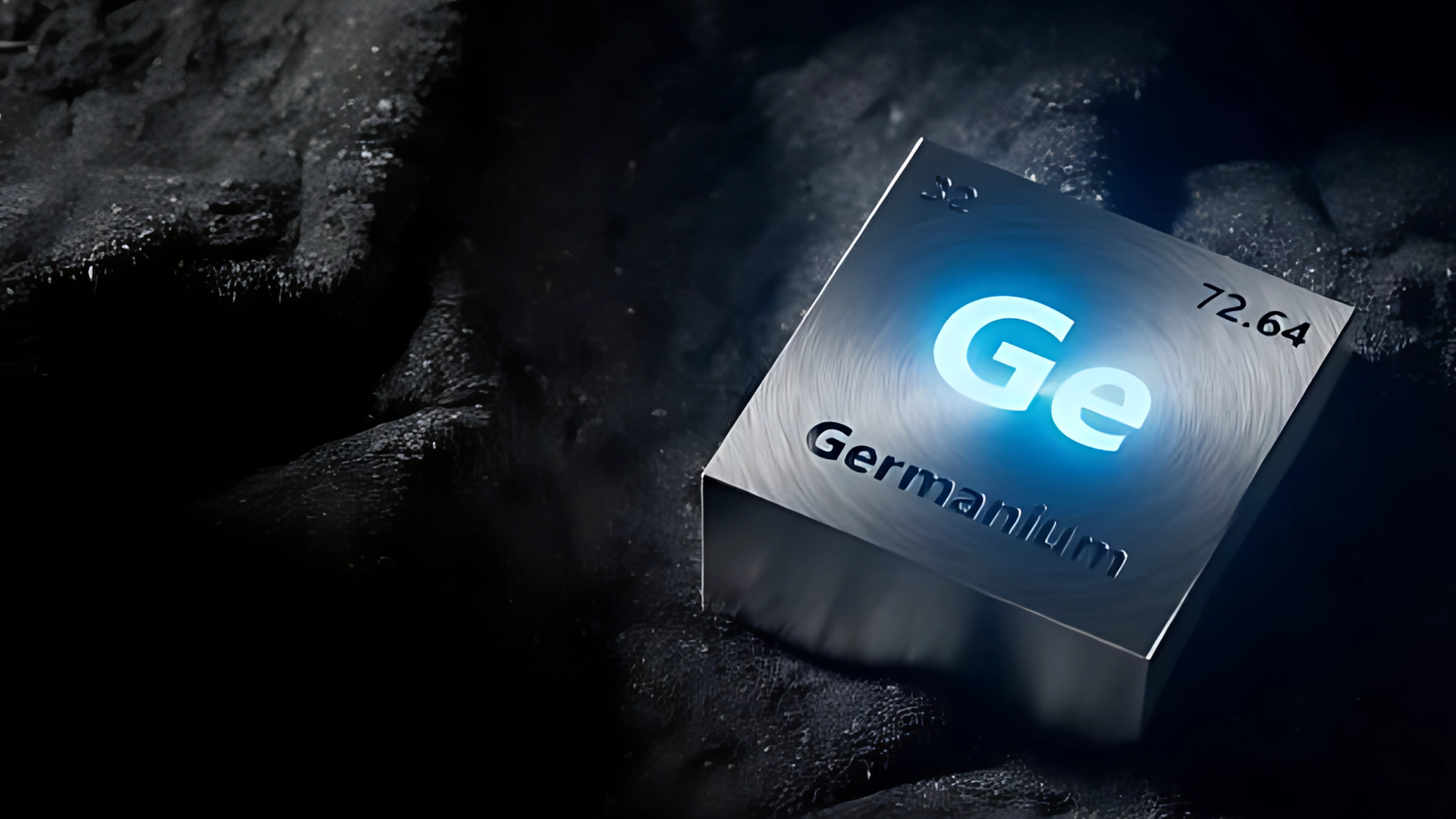
Germanium Mining
Germanium (Ge) is a critical metalloid with applications in electronics, fiber optics, and renewable energy technologies. Its scarcity in nature, combined with its diverse applications, makes its extraction a significant industrial and economic activity. This section explores the various aspects of germanium mining, including the sources, extraction techniques, and challenges associated with its recovery.
Sources of Germanium
Germanium is typically recovered as a byproduct from the mining and processing of ores of other metals, primarily zinc, lead, and coal. The most notable sources of germanium include:
-
Zinc Ores: Germanium is commonly found in zinc ores such as sphalerite (zinc sulfide), where it can be concentrated during the zinc smelting process.
-
Lead Ores: Similarly, germanium can be found in lead ores and is extracted during lead refining.
-
Coal: Coal is a significant source of germanium, albeit at lower concentrations than zinc and lead ores. The germanium content in coal varies widely depending on the coal’s geographic origin and rank.
Germanium Content in Coal
Coal serves as a secondary source of germanium, particularly in regions where high germanium concentrations have been identified. The concentration of germanium in coal can vary, influenced by factors such as coal rank and the geological conditions of formation.
Extraction Methods
The extraction of germanium from ores and coal involves several methods:
-
Flotation and Gravity Separation: In the mining of zinc and lead ores, germanium is concentrated through flotation and gravity separation techniques. These processes help separate germanium-containing minerals from the gangue.
-
Hydrometallurgical Processes: For zinc ores, germanium is often recovered through hydrometallurgical processes such as leaching, solvent extraction, and precipitation. These methods are used to isolate germanium from other metal ions.
-
Coal Processing: The recovery of germanium from coal involves leaching techniques, in which coal is treated with acids or alkaline solutions to dissolve germanium. This is followed by ion flotation, in which surfactants and complexing agents are used to separate germanium from the solution.
-
Ion Flotation: This method uses ionic surfactants to adsorb germanium ions, then separates them using air bubbles. Complexing agents such as pyrogallol can enhance recovery efficiency by forming specific germanium complexes.
-
Supported Liquid Membranes (SLMs): In SLMs, germanium is extracted through membranes impregnated with solvent extractants. These membranes help in transporting germanium from the feed phase to the stripping phase, effectively separating it from other elements.
-
Ion-Exchange and Solid-Phase Extraction (SPE): These methods use resins and adsorbents functionalized with complexing ligands to selectively adsorb germanium from aqueous solutions. This process employs ion-exchange resins, chelating resins, and functionalized adsorbents like activated carbon and mesoporous materials.
Challenges in Germanium Mining
Germanium mining and recovery face several challenges:
-
Low Concentrations: Germanium is often present at low concentrations, making its extraction economically challenging. Efficient processing methods are required to handle large quantities of ore or coal to recover significant amounts of germanium.
-
Environmental Impact: The mining and processing of ores and coal can have environmental impacts, including soil and water contamination. Sustainable practices and environmental regulations are essential to mitigate these effects.
-
Economic Feasibility: The cost of extraction and processing must be balanced against the market value of germanium. Innovations in recovery technologies and efficient processing methods are crucial for improving the economic viability of germanium mining.
In summary, germanium mining involves extracting this valuable metalloid from various sources, including ores and coal. The methods employed for its recovery are complex and require careful management to address the challenges of low concentrations, environmental impacts, and economic feasibility. The provided map of germanium content in US coal serves as a crucial tool for identifying potential sources and guiding extraction efforts, thereby contributing to the overall understanding and optimization of germanium recovery.
- Patel, M., & Karamalidis, A. K. (2021). Germanium: A review of its US demand, uses, resources, chemistry, and separation technologies: Separation and Purification Technology, 275, 118981.
- Frenzel, M., Ketris, M.P. & Gutzmer, J. On the geological availability of germanium. Miner Deposita 49, 471–486 (2014). https://doi.org/10.1007/s00126-013-0506-z