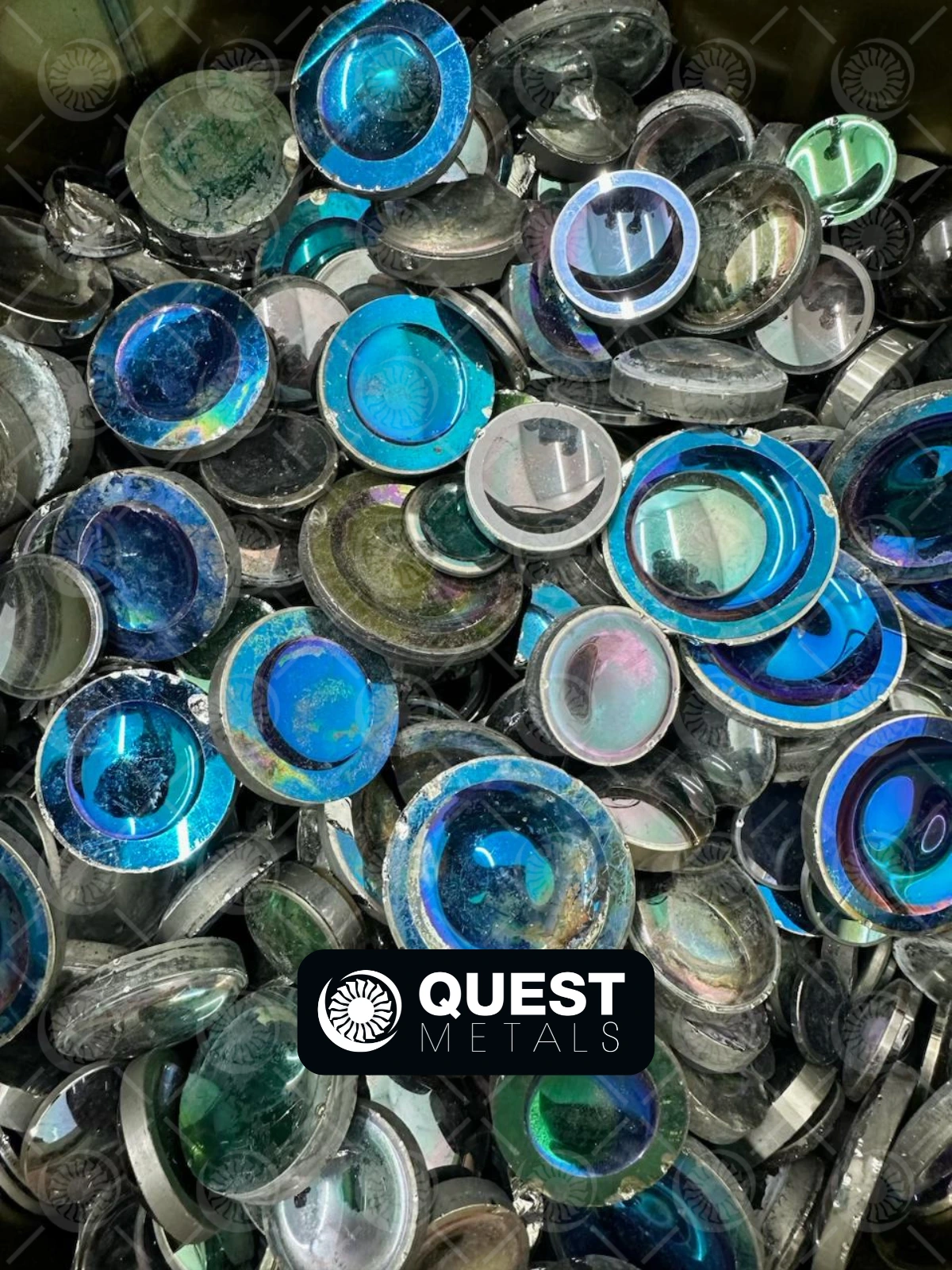
Gallium and germanium are not running out. Well over one million metric tons of gallium are estimated to be contained in the world's bauxite resources, compared with roughly 900 metric tons produced annually. Germanium is present in zinc ores and certain coal deposits. Yet having these metals in the ground is very different from reliably delivering them, at the required purity, to manufacturers.
Metal is not ordinarily mined for its own sake. Gallium is recovered mainly during alumina refining, while germanium comes largely from zinc processing or treating germanium-rich coal ash. Their supply depends on larger industries whose production decisions are driven by aluminum, zinc, and energy markets, not by demand for comparatively small byproducts. That dependency is the first reason both metals remain difficult to secure.
When gallium or germanium prices rise, producers cannot simply open a dedicated mine and rapidly increase output. An alumina refinery must install a circuit to extract trace gallium from its circulating process liquor without disrupting its principal operation. A zinc smelter needs germanium-bearing feedstock and equipment to recover the metal from its residues. If the host refinery or smelter closes or cuts production, its byproduct output falls as well. Economics discourages quick action. A gallium recovery circuit may provide useful additional revenue, but alumina remains the refinery's main business. Operators must weigh that revenue against equipment costs, environmental controls, and potential interference with a much larger production line. Large geological inventories can therefore remain commercially inaccessible even when the metal they contain is valuable.
Over the past two decades, China expanded byproduct recovery across its enormous refining base while production in several other countries ceased. By 2025, China accounted for approximately 99% of global primary low-purity gallium output. Its share of germanium is harder to measure because production reporting varies, but it remains the dominant producer and refiner. These are unusually thin markets. A relatively small change in Chinese output can have an outsized effect on global prices. China also has substantial idle gallium capacity, creating a dilemma for would-be competitors: today's high prices might justify building a new plant, but additional Chinese exports could drive prices down after that investment has been made. Without long-term purchase agreements or public support, investors may judge the risk too great.
Recovering low-purity metal is only one stage of the supply chain. Gallium used in gallium arsenide and gallium nitride semiconductors must be purified to exceptionally high standards. Germanium for optical components, semiconductors, and specialized detectors requires similarly demanding processing. Manufacturers also need capacity for crystal growth, wafer production, and component fabrication.
As a result, diversifying raw-metal supply does not necessarily eliminate downstream dependence. A shipment from an allied country may be refined from material recovered elsewhere. Even a successful new gallium recovery plant will have limited strategic value if it cannot convert its output into qualified material for semiconductor manufacturers. Environmental requirements add another layer of difficulty. Recovery and purification can involve corrosive chemicals and residues containing hazardous substances, including arsenic. New facilities need appropriate waste-management systems, permits, and specialized expertise, not just a source of feedstock.
Gallium and germanium matter because they perform demanding tasks for which alternatives are often imperfect. Gallium compounds are used in high-frequency communications electronics and powerful radar systems. Germanium is important in infrared optics, telecommunications fiber, and the multijunction solar cells used on satellites. Substitutes can work in some applications but may reduce efficiency, increase size, or lower performance. Some proposed replacements still contain the metal they are meant to displace.
Recycling helps, but it cannot close the supply gap. Manufacturers can reclaim relatively clean scrap generated while making wafers or machining infrared lenses. End-of-life recovery is much harder: gallium is dispersed in tiny amounts through complex chips and LEDs, while germanium in products such as fiber-optic cable is difficult to collect economically. Recycling manufacturing waste makes existing primary supply go further; it does not create an independent source of new metal.
China introduced export licensing for gallium and germanium in 2023 and a U.S.-specific export ban in 2024. It suspended that ban in November 2025 until November 27, 2026, but licensing requirements remained. The distinction matters: easing a ban does not guarantee timely approvals or dependable shipments for buyers.
Companies have adapted by purchasing recycled material and intermediates through other countries. Such measures can prevent immediate production stoppages, but they do not substantially increase the volume of newly recovered metal outside China. Meanwhile, governments and companies are backing new recovery and refining projects in Australia, Greece, Canada, the United States, and elsewhere. The proposed capacity could make a meaningful difference, but plants must first be financed, built, supplied with suitable feedstock, and qualified by customers. Much of the larger new capacity is not expected to reach commercial scale until later in the decade.
The challenge posed by gallium and germanium is not primarily geological. It results from interlocking constraints: byproduct economics, concentrated production, demanding purification, limited substitution, and slow development of alternative capacity. No single new project can resolve all five.
A more secure supply chain will require coordinated investment from host-metal refineries through high-purity processing and component manufacturing. Long-term purchase commitments, strategic inventories, and public financing can help bridge the gap between the cost of building new capacity and the risk of future price swings. Without that broader approach, gallium and germanium will remain vulnerable to disruption even though substantial quantities exist in the ground.