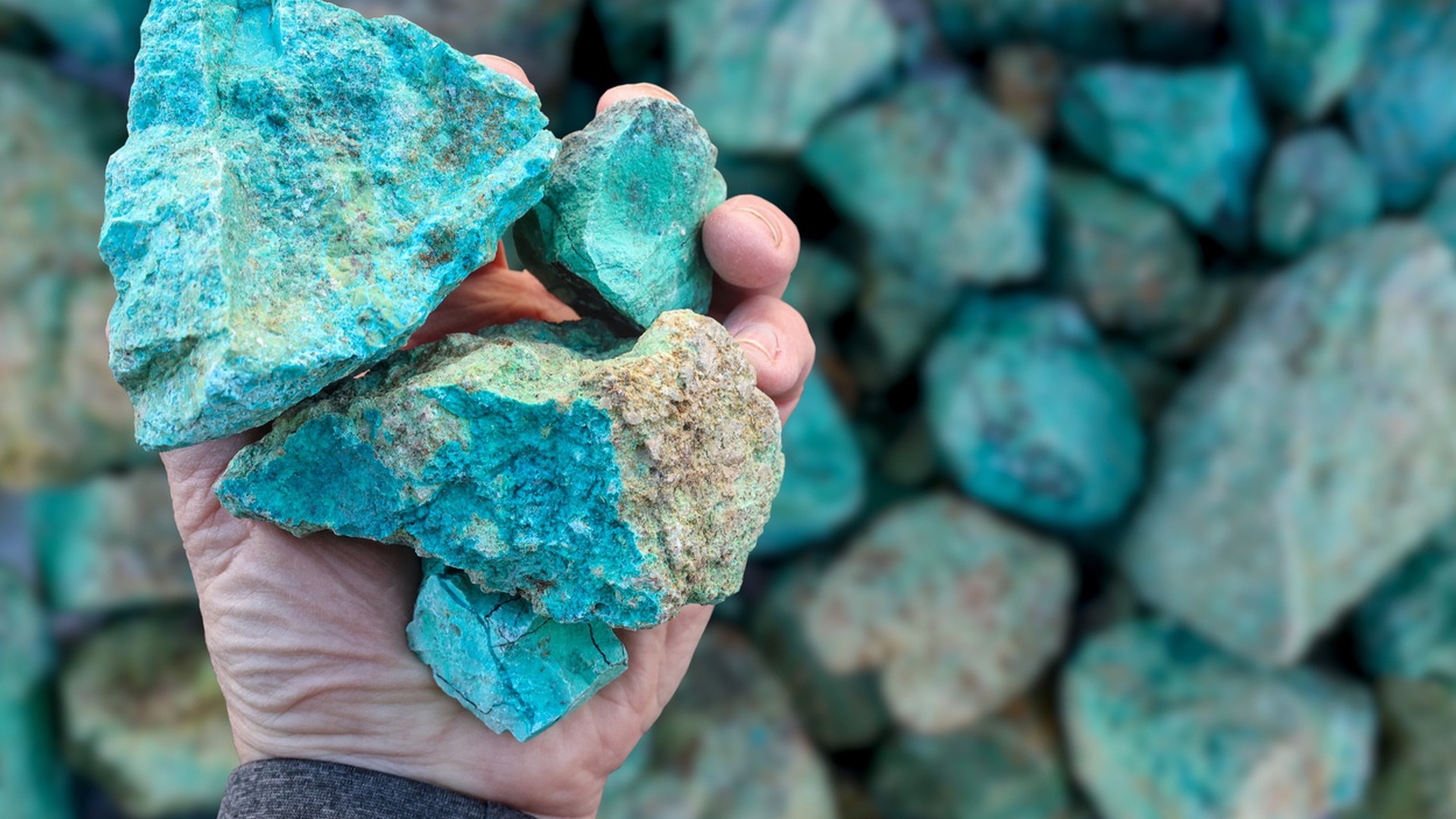
Canada is positioning itself as a global leader in the critical minerals sector, investing heavily in Indigenous partnerships, clean energy solutions, and geoscience research. With an increasing demand for minerals essential to clean technology, defense, and infrastructure, Canada’s natural resource strategy is evolving to secure its place in the global supply chain while ensuring sustainable and equitable development.
A key component of Canada’s strategy is fostering economic participation for Indigenous communities in the resource sector. The Indigenous Natural Resources Partnerships (INRP) Program and the Critical Minerals Infrastructure Fund (CMIF) – Indigenous Grants are pivotal for enhancing Indigenous engagement, building capacity, and ensuring meaningful participation in critical mineral projects.
Projects like the Geological Survey for Critical Minerals in the Gitsegukla Huwilp Territory and the Critical Minerals Indigenous Information Series help Indigenous communities gain the skills and knowledge they need to take part in mineral exploration and policy development. Additionally, infrastructure-focused initiatives like the Guardianship Training for Prairie Creek Access Road and the Casino Project Access Road provide Indigenous groups with environmental monitoring expertise, fostering responsible development. By supporting training, community consultation, and environmental monitoring, these investments ensure that Indigenous communities are not only stakeholders but active participants in shaping the future of Canada’s critical minerals industry.
Recognizing the importance of sustainable development, Canada is also funding clean energy initiatives to support critical minerals projects. Investments in battery storage (BESS) feasibility studies, green hydrogen assessments, and smart grid systems for mineral-rich areas like Ontario’s Martison Phosphate and Albany Graphite projects show Canada’s commitment to using clean technology in mining operations.
Programs such as the Applications of Clean Energy Battery Storage (CEBS) Systems in Critical Mineral Exploration and Mining educate First Nations in British Columbia about cutting-edge clean energy applications. Meanwhile, the government’s approach to developing a responsible, interconnected resource sector underscores funding for community engagement in transmission line infrastructure for projects like the Phoenix Copper Mine.
Canada is positioning itself as a global leader in the critical minerals sector, investing heavily in Indigenous partnerships, clean energy solutions, and geoscience research. With an increasing demand for minerals essential to clean technology, defense, and infrastructure, Canada’s natural resource strategy is evolving to secure its place in the global supply chain while ensuring sustainable and equitable development.
Canada is leveraging geoscience research and data analytics to maintain its competitive edge, identify new critical mineral deposits, and streamline resource development. The Critical Minerals Geoscience and Data (CMGD) initiative funds projects that enhance mineral exploration through scientific modeling and data-driven decision-making.
Nova Scotia is a prime example of this forward-thinking approach, with projects such as Building Nova Scotia’s Critical Mineral Inventory and Value Chain and Holistically Modelling the Critical Mineral Potential of Nova Scotia. These initiatives combine geological mapping with environmental and economic analyses, ensuring that mineral development respects sustainability and Indigenous rights. By investing in geoscience, Canada is expanding its domestic resource base and attracting global investors seeking a stable and responsible source of critical minerals.
Canada’s investments in Indigenous partnerships, sustainable infrastructure, and cutting-edge geoscience research are paving the way for the country to become a critical minerals superpower. By balancing economic growth with environmental stewardship and Indigenous engagement, Canada is setting a precedent for responsible resource development on the world stage.
As global demand for critical minerals rises, Canada’s proactive investments will ensure it remains a top-tier supplier of the minerals essential to clean energy, technology, and national security. By fostering collaboration between governments, industry, and Indigenous communities, Canada is building a resilient and inclusive critical minerals sector that will fuel the economy for decades to come.
Canada’s investments in Indigenous partnerships, sustainable infrastructure, and cutting-edge geoscience research are paving the way for the country to become a critical minerals superpower. By balancing economic growth with environmental stewardship and Indigenous engagement, Canada is setting a precedent for responsible resource development on the world stage.
As global demand for critical minerals rises, Canada’s proactive investments will ensure it remains a top-tier supplier of the minerals essential to clean energy, technology, and national security. By fostering collaboration between governments, industry, and Indigenous communities, Canada is building a resilient and inclusive critical minerals sector that will fuel the economy for decades to come.