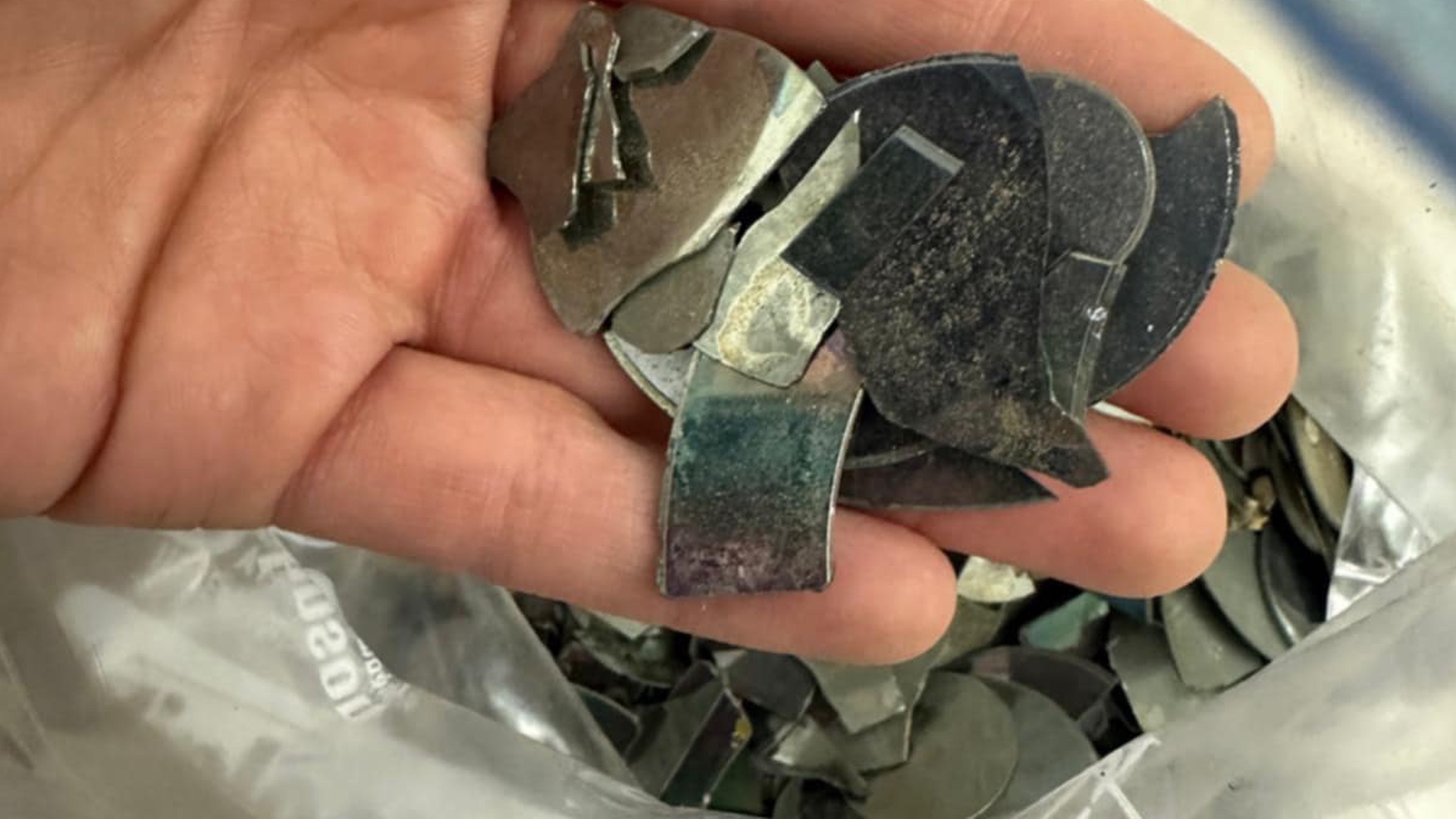
In the intensifying geopolitical chess game between global superpowers China and the United States, a seemingly obscure category of elements, rare earths, has emerged as a central piece. As China tightens its control over the supply and export of these strategically crucial minerals, all eyes have turned to resource-rich Australia, prompting the question: Can Australia step in to fill the gap?
Rare earths, comprising 17 metallic elements including neodymium, holmium, and yttrium, are vital to technologies ranging from smartphones and electric vehicles to cutting-edge military systems and artificial intelligence infrastructure. China currently dominates this market, accounting for approximately 70% of rare-earth mining and nearly 90% of global processing, a stranglehold that has raised alarm bells across Western capitals. In response to rising geopolitical tensions, Beijing recently expanded its export control list to include 12 rare-earth elements, citing national security concerns. This has further exacerbated U.S. fears of overdependence on a rival power for materials essential to maintaining its technological and military leadership. Against this backdrop, Australia has emerged as a potential alternative supplier. It not only possesses substantial reserves of rare earths and related critical minerals such as lithium, bauxite, cobalt, and manganese but also has the geopolitical advantage of being a long-standing U.S. ally. However, whether Australia can effectively replace China in the rare-earth supply chain is a complex matter.
Australia plays a significant role in the global critical minerals market. It produces one-third of the world's lithium, a key component in electric vehicle (EV) batteries, and is also one of the top producers of rare earths like neodymium, used in wind turbine magnets. These raw materials are foundational to industries driving the global energy transition and the defense sector.
However, Australia’s resource strength is largely focused on extraction rather than processing. Currently, around 90% of Australia’s lithium is shipped to China for refining. Similarly, most of its rare earths are exported in raw form, with minimal value added locally. The Australian government acknowledges that downstream processing capacity is a major gap in the country's supply chain, a challenge it is now attempting to rectify.
The Albanese government has unveiled a proposed A$1.2 billion (approx. $780 million USD) "strategic critical minerals reserve" designed to kickstart domestic processing and reduce reliance on China. The stockpile initiative aims to prioritize minerals of strategic importance and provide security of supply for key allies such as the U.S.
Ahead of Australian Prime Minister Anthony Albanese’s meeting with U.S. President Donald Trump at the White House, speculation swirled around a potential deal granting the U.S. access to this stockpile. “We know that American companies desperately need critical minerals, and Australia is very well-placed to service that need,” said Australia’s Treasurer Jim Chalmers during a recent visit to Washington. The stockpile proposal may include incentives such as tax breaks for onshore processing, starting with a 10% tax offset for downstream critical mineral production from 2027. The hope is that such measures will encourage companies to develop infrastructure in Australia, enabling the country to capture a greater share of the critical minerals value chain.
While the U.S. is desperate to diversify its rare-earth supply chains, it also lacks much of the midstream and downstream capacity required to turn raw ores into usable technologies. In fact, military needs often cited as urgent drivers only account for a small fraction (less than 10%) of global demand for rare earth magnets. Furthermore, President Trump's energy policies, such as slashing EV subsidies and incentives for renewable energy, have dampened domestic demand for green technologies that rely heavily on rare earths. These contradictory policies cause friction in Washington's ambitions to rebuild its domestic supply chains.
Nonetheless, Trump has made bold moves to secure global access to minerals. Deals have been struck in Ukraine, Pakistan, and the Democratic Republic of the Congo to secure cobalt, lithium, and other resources. But Australia, with its political stability, advanced mining infrastructure, and democratic governance, remains a more attractive and reliable long-term partner.
Australia’s wholesome position as a potential supplier to the U.S. comes with its own geopolitical risks, most notably, the country’s deep economic ties to China. China remains Australia’s largest trading partner, including for critical minerals. Moves seen as siding too closely with the U.S. could risk Chinese retaliatory measures, as seen in previous trade disputes.
However, Australian officials insist it's possible to walk the tightrope. “We engage with our major trading partners in good faith, and in Australia’s national economic interests,” said Treasurer Chalmers.
That said, concerns persist in Washington. Diplomats and security experts have raised questions about Australia's continued mineral exports to China, fearing Canberra is inadvertently reinforcing Beijing’s dominant position in the global supply chain. Critics have urged Australia to "decouple" its mineral trade from China and align more firmly with Western interests.
Even if Australia and the U.S. align on broad strategic goals, ideological hurdles may remain. The “America First” agenda intrinsic to Trump’s economic philosophy could complicate the shared development of downstream processing in Australia. Trump’s preference has traditionally been to “onshore” jobs and investments within U.S. borders.
This raises a potential sticking point: will the U.S. be willing to invest in Australia’s mineral-processing infrastructure if the jobs aren’t in American zip codes? Experts believe any deal may hinge on whether Australian companies can establish a U.S. presence or rapidly scale existing projects for U.S. defense and manufacturing needs.“It is going to be a hard sell to try and have polishing and magnet manufacturing here in Australia, as opposed to in the U.S.,” noted Susan Park, a professor at the University of Sydney and expert in global energy governance.
Ultimately, the rare-earth dilemma underscores a broader challenge confronting the Western world: balancing geopolitical competition, trade alliances, and resource security in a rapidly evolving global order. Australia’s geographical bounty, democratic governance, and alliance with the U.S. make it a prime candidate to help break China’s monopoly in the critical minerals supply chain. However, fulfilling that ambition will require overcoming industrial shortfalls, navigating delicate diplomacy, and forging agreements that balance national interests on both sides. As Trump and Albanese meet in Washington, rare earths will be more than just a talking point; they will be a test case for the future of strategic resource alliances in the 21st century.