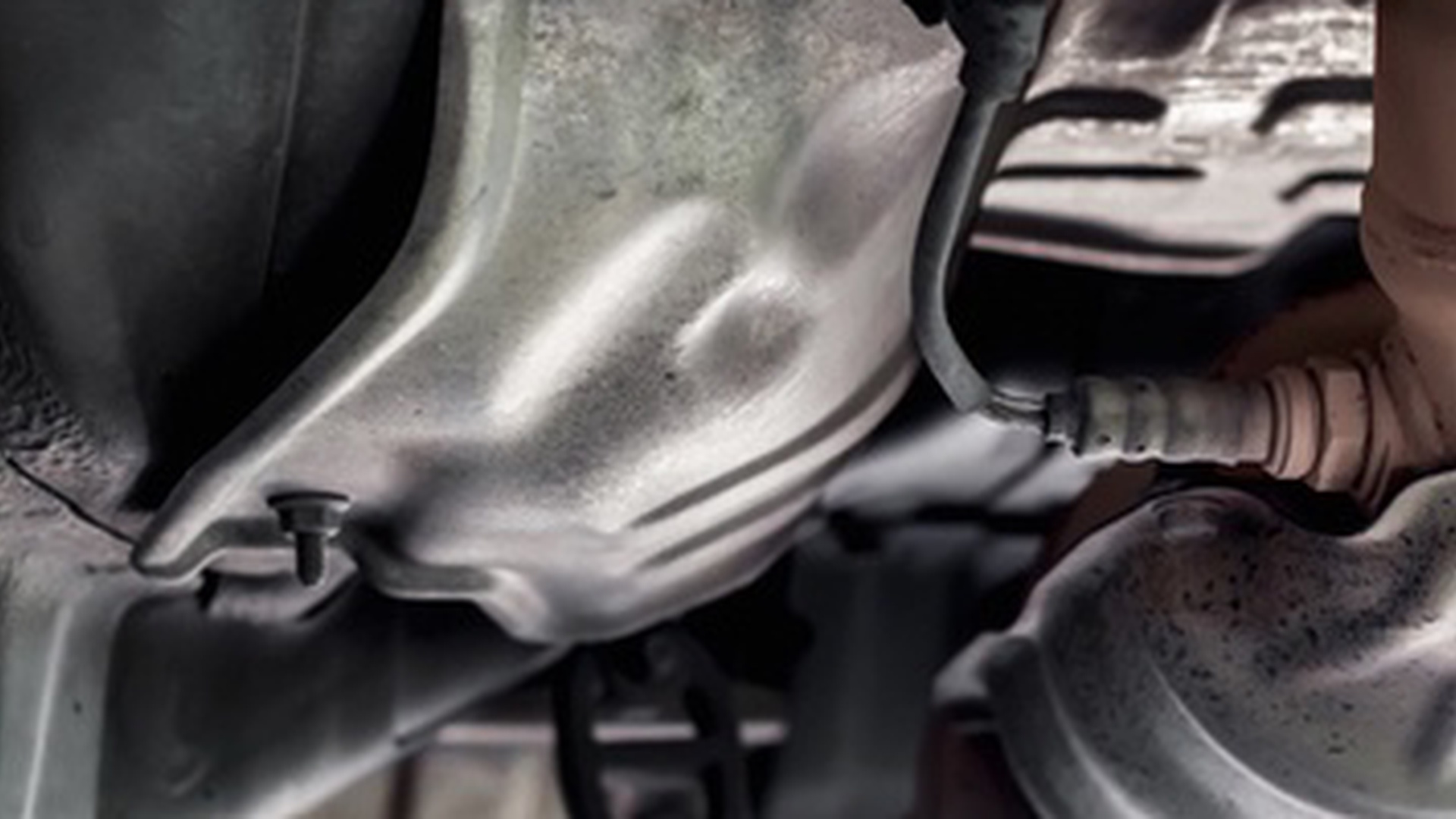
A catalytic converter is easy to remove but difficult to value by sight. Its housing reveals little about the platinum, palladium, and rhodium contained in the substrate. For auto dismantlers, a successful recovery program requires more than collecting units and requesting a price. It depends on a reliable chain of custody, careful removal, useful inventory categories, safe handling, and a clear way to verify what the yard ultimately earns.
The process kicks off when a vehicle or converter enters the yard. Record the source vehicle's VIN, make, model, and year, along with the seller's details and the acquisition paperwork. Assign each converter an inventory number, which it carries from the moment it leaves the yard through storage and sale. Photos of the unit and of its stamped codes can be very useful in terms of both identification and valuation. Good storage and access records will go a long way to minimizing the risk of theft or ownership disputes. Dismantlers will, of course, need to check the environmental, transport, and anti-theft rules that apply to their operation. In the Philippines, that means checking the Anti-Fencing Law, relevant PNP and LTO requirements, and DENR-EMB rules. Waste registration, manifest, and transport requirements vary by material and handling method, so the yard must confirm the rules before shipping out converters or processed material.
Before you go any further, support the vehicle properly on suitable lifting equipment, manage electrical and ignition hazards, and follow all safe under-vehicle work procedures. Unbolt the exhaust connections where you can. If the joints are corroded and you need to cut them, cut the pipe adjacent to the converter rather than the converter housing itself.
Keep the converter. The stamped codes and physical makeup of the unit will help a buyer identify it, and opening, crushing, or washing it can release or remove the metal bearing material. If the unit is already broken, then collect the loose substrate and dust, label it, and keep it with the parent converter. That way, you protect both inventory integrity and potential resale value.
Once they're removed, record the converter code, source vehicle, condition, storage location, and category for each unit in an inventory system or controlled spreadsheet. Split the original equipment units from the aftermarket units. Where possible, split the original equipment units into gasoline, diesel, and hybrid origin units, and keep the damaged, empty, and uncertain units separate for assessment. The categories are useful for the buyer to grade the material but don't necessarily equate to any particular metal content. Catalyst design varies by manufacturer, emissions standard, and vehicle. Segregating them makes it far easier to compare returns from lot to lot and stops lower-value units from masking the results of higher-value material. Covered, secure storage is also important to prevent losses and to keep the inventory records accurate.
Smaller yards may find that selling the converters intact and identified gives the best mix of return and ease. Larger yards may look at bulk assay refining, where the value of the lot is determined by its assay (i.e., its metal content). In either case, the relevant comparison is net proceeds after transport, processing, financing, etc., and not the headline quote.
Most dismantlers should leave the decanning, milling, and sampling to a qualified processor. Opening and crushing converters will generate hazardous dust and will also result in washcoat loss. A yard processing the material itself will need the appropriate equipment, ventilation, exposure controls, and a method for dust capture and accounting. It will need to reconcile the weight in with the weight out (shells, substrate, recovered dust, and documented losses).
For assay-based sales, the lab sample must be representative of the whole lot. Converter substrates can vary widely, so testing only a few convenient pieces is not adequate. The processor must mill and homogenize the material before taking the documented sample splits. The agreement must cover how the lot is weighed, how moisture affects the payable dry weight, which analytical methods are used to determine metal content, and how disputes will be resolved. Rapid XRF can provide a rough estimate, but the parties must agree on the method used for the final determination. Sealed samples held by the seller and an independent umpire are a good way to check disputed results. A useful settlement report will allow the dismantler to trace the metal from the dry lot weight and the measured concentration through to the quantity paid for.
A prospective buyer or refiner should be able to explain how it deals with converters (i.e., identifies and processes them), how it arrives at a value, what deductions it makes, and when it pays. You need to have the written terms for grading, weighing, transport, fees, pricing, and payment. If the material is going to be sold on an assay basis, then you need to know the payable metal percentages and the procedure for dealing with a disputed assay prior to the lot leaving the yard.
For dismantlers looking for a buyer, Phoenix Refining will take catalytic converters to recover precious metals. A yard can contact them with the type of converters, quantities, codes, and location to see if the material is suitable and to get their current purchase terms. As with any buyer, you'll of course want to compare their written offer on a net return basis against the others and check their shipping, documentation, and payment terms before you send the material.
Keep a file for each shipment containing the inventory list, dispatch and receipt notes, weights, grading or assay results, agreed pricing terms, charges, and payment confirmation. As soon as the lot arrives, compare the quantities received with those dispatched. When you issue the payment, check the calculation against the agreement rather than just going on the final figure.
Platinum group metal prices can vary enormously during processing. The bigger the seller, the more likely they are to consider agreed price windows or hedging (bearing in mind the cost and risk of doing so). Whatever route they take, it's essential to record the final net return by lot and, where possible, by converter category. Each sale becomes information you can use to improve future sorting and buyer selection. A converter recovery program works when you can account for every unit and every payment. Provenance records are key to establishing legitimacy; careful removal and segregation of material are essential to preserving value; controlled processing is vital to protect workers and the material; and transparent yard terms are necessary to show exactly what the yard actually took home.