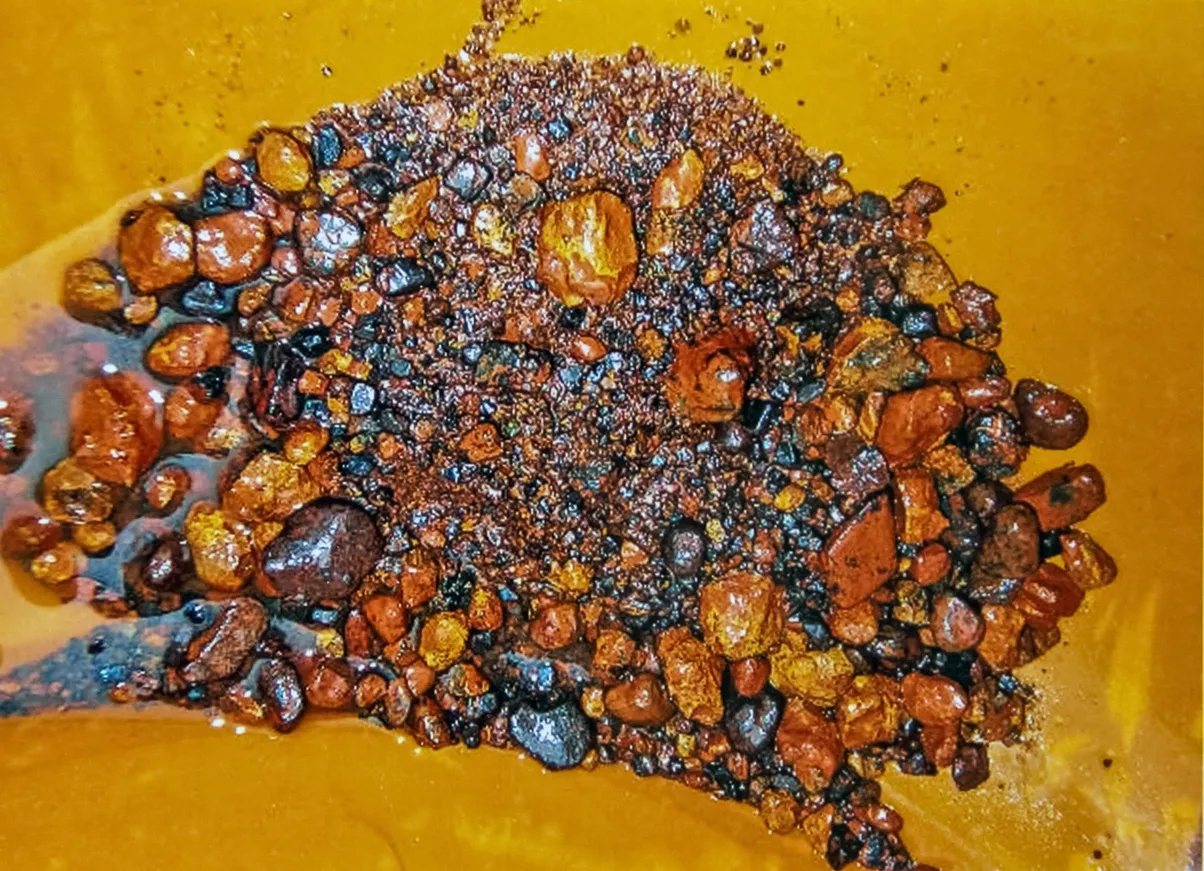
In a bold move to reshape the geopolitical landscape of critical minerals, Australia has announced plans to sell equity stakes in its newly established A$1.2 billion Critical Minerals Strategic Reserve to allied nations. This unprecedented initiative, quietly floated at a G7 technical meeting in September and now advancing through negotiations with partners such as the United Kingdom, the United States, and France, could mark a transformative shift in the rare-earth supply chain, repositioning Australia as a linchpin in global mineral security.
The goal of the Critical Minerals Strategic Reserve is clear: to create a resilient, cooperative, and diversified supply network that reduces global dependence on China, currently the dominant force in rare earth processing and refining. Australia, blessed with vast reserves of lithium, rare earth elements, cobalt, and other critical resources, is now leveraging that abundance for international security collaboration.
Under the plan, foreign partners are invited to purchase shares in the reserve. In return for capital investment and securing guaranteed demand for specific mineral offtake, participants such as the UK and the U.S. will gain access to a corresponding percentage of the critical minerals held in Australia's stockpile. In Prime Minister Anthony Albanese's words, "What we're talking about here is not giving anything away… we maximize returns to Australia, while also playing a key role in stabilizing international markets."
Britain has already signaled a strong interest. Its export credit agency, UKEF, has earmarked £5 billion (~A$9.5 billion) for Australian mineral ventures and is being actively consulted in the strategic reserve's design. The U.S. is going a step further. Government officials recently met with 15 Australian critical minerals companies and offered tailored financing packages, including equity stakes, equity-debt hybrids, and offtake agreements. Executives from firms such as International Graphite and Cobalt Blue said meetings with senior U.S. government representatives signaled strong commitment.
France, though politically delayed by domestic affairs, had prepared to send a delegation before caretaker government protocols put the plans on pause. Nonetheless, its interest remains solid, reflecting a broader pattern among Western democracies: collective engagement to de-risk critical mineral supply chains.
Australia's initiative is set against a backdrop of strategic urgency. China still commands over 85% of the world's rare-earth processing capacity and exerts dominant control over heavy rare-earth elements used in everything from wind turbines to missile guidance systems. Beijing has demonstrated a willingness to weaponize this dominance: export restrictions on germanium, gallium, and rare-earth magnets earlier this year caused widespread disruption among EU and U.S. automakers.
From flooding global markets with cheap metals like nickel (through Indonesian routes) to bankrupting non-Chinese competition, China's approach has made the West acutely aware of its vulnerabilities. By pooling resources through a stockpile that acts as a supply buffer, Australia's gambit offers a viable countermeasure to Chinese market manipulation and price coercion.
This plan isn't simply a national hedge; it's strategic coalition-building. Much like Cold War-era energy alliances, the reserve could foster a "critical minerals coalition" where like-minded nations co-invest, share supply, and coordinate policy. It fits well within existing frameworks like AUKUS, which already seeks to bolster defense interoperability through submarine and cyber capabilities. It will likely be a central topic in Albanese's upcoming visit to Washington for talks with President Trump.
Indeed, rare earths such as neodymium, dysprosium, and terbium are not just industrial necessities but national security imperatives. These elements are critical for fighter jet engines, satellite systems, sensors, and wide-band radar, making long-term, reliable access a cornerstone of any allied defense policy.
The initiative is not just about geopolitics; it promises to transform rare-earth economics, which have been plagued for decades by price volatility and underinvestment. Australia's reserve seeks to be a "buyer of last resort," stepping in to purchase materials when prices fall too low and releasing supply during market spikes. Such a model could encourage more private-sector investment by lowering price risk, helping new projects secure financing through long-term commitments with governments.
Companies like Lynas, Wyloo, and Australian Strategic Materials have voiced support for the plan. However, they caution that reserve execution must be calibrated to avoid crowding out or undercutting existing domestic producers. A government–industry task force is drafting proposed structures for pricing, storage, and market intervention to keep the playing field viable for private ventures.
Australia's gambit mirrors strategic supply efforts taking root across the free world. The U.S. Department of Defense has been reinvigorating its rare-earth supply chain through the Defense Production Act and a revamped National Defense Stockpile. Japan has long been seen as a trailblazer in this space, funding joint ventures (like the Lynas-Separation facility in Malaysia) and advancing recycling and seabed mining solutions. Europe is also coalescing around pooled resources, with France, Germany, and Italy announcing a shared €2.5 billion critical minerals fund tailored to emerging mine and refining projects. All share a common purpose: charting a sustainable path to rare-earth self-reliance while maintaining strong industrial base performance and economic security.
Enthusiasm is high, but hurdles remain. Coordinating multinational release protocols, ensuring transparency in pricing and sales, and aligning political timelines are complex endeavors. Domestic political constraints, such as the UK's sensitivity to overseas investments, could stymie otherwise viable buy-ins. The 2026 goal for reserve launch is ambitious, and China may respond with calculated adjustments to maintain its dominance.
Still, Australia's initiative sends an unmistakable message: critical minerals are now at the heart of global power politics, and democracies are ready to collaborate with speed and vision. If successful, the reserve could catalyze the emergence of a balanced, rules-based rare-earth supply network that protects economies, industries, and defense futures from the swings of strategic dependency.
Australia's rare earth gambit is among the most significant strategic market interventions of the modern era. It combines economic pragmatism, diplomatic trust-building, and national security foresight into a policy that could define how countries access core inputs for 21st-century technologies, from electric vehicles and smartphones to stealth bombers and quantum devices. For nations jostling for position in the race to control tomorrow's tools, Australia just offered a new strategic front, one based not on extraction or protectionism, but partnership. In doing so, it might just rewrite the rules of the mineral age.